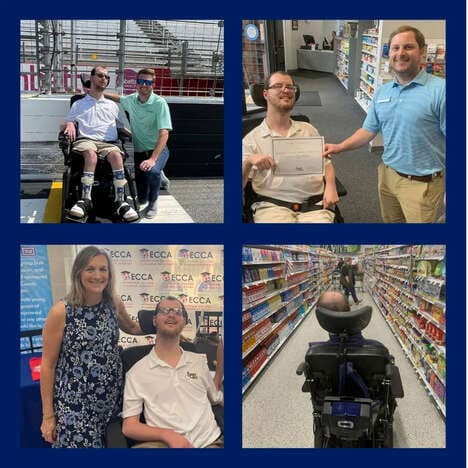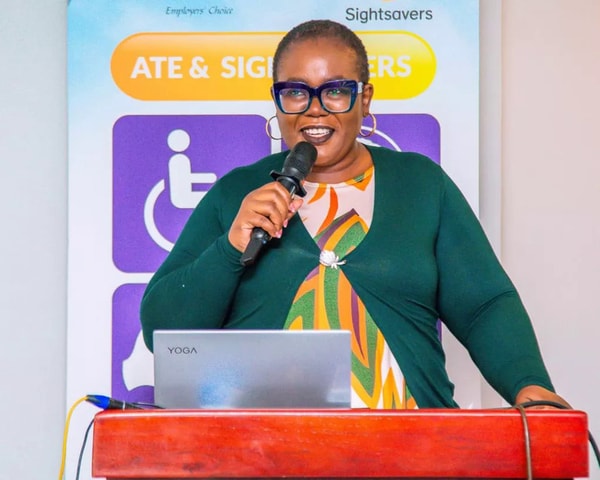
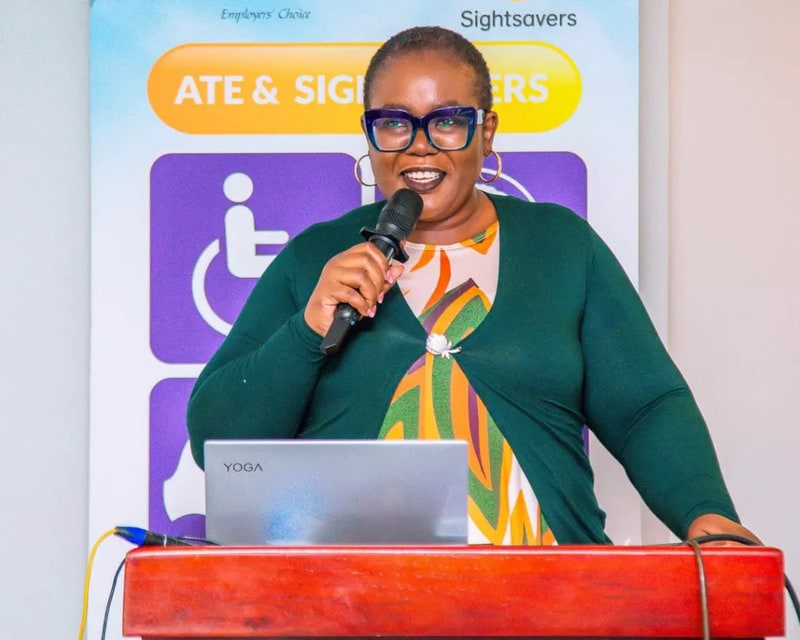
Tanzania has recently established a groundbreaking framework for workplace inclusion through the newly formed National Business and Disability Network (NBDN), a collaborative effort between employers' associations, disability organizations, and international labor groups. This strategic initiative provides a structured approach for businesses to implement inclusive hiring practices and workplace accommodations by adopting the ILO's globally recognized disability inclusion charter.
The establishment of the National Business and Disability Network reflects growing recognition within Tanzania's private sector that workplace inclusion and workforce diversity encompassing persons with disabilities offers both social value and business benefits. Backed by comprehensive tools including self-assessment frameworks and regional accommodation guidelines, the program moves beyond theoretical commitments to offer practical resources for companies seeking to transform their employment practices.
Image Credit: International Labour Organization (ILO)
What's Driving This Trend
- Inclusive Hiring Practices
- Companies are increasingly adopting structured frameworks to enhance recruitment policies, prioritizing accessibility and diversity by integrating individuals with disabilities into the workforce.
- Workplace Accommodations Innovation
- Businesses are developing innovative methods and tools to create inclusive environments, reflecting a shift towards practical, rather than theoretical, inclusion policies.
- Global Disability Inclusion Standards
- Organizations are aligning with internationally recognized charters and guidelines to standardize and enhance disability inclusion across regions.
Who This Affects Most
- Human Resources Consulting
- HR consultancy firms are positioned to offer specialized services in developing and implementing inclusive hiring practices and workplace accommodations.
- Assistive Technology
- The demand for assistive technologies is growing as businesses seek practical solutions to accommodate employees with disabilities, driving innovation in this sector.
- Corporate Training Solutions
- Providers of corporate training solutions are developing programs focused on disability awareness and inclusion as businesses strive to meet new inclusion frameworks.