Google has introduced the Natively Adaptive Interfaces (NAI) framework, an approach to AI design that integrates accessibility features directly into products from the outset. This development potentially represents a fundamental shift toward technology that proactively adapts to individual needs. It may offer more personalized and effective assistance for people with disabilities while often benefiting a much wider audience through the curb-cut effect.
The Natively Adaptive Interfaces framework envisions AI agents that can intelligently reconfigure interfaces in real time — from generating audio descriptions for users with visual impairments to simplifying layouts for those with ADHD. The deployment of this initiative rests on the principle of 'nothing about us, without us,' with Google collaborating directly with disability communities and organizations like the Rochester Institute of Technology's National Technical Institute for the Deaf to ensure the tools being developed address genuine needs.
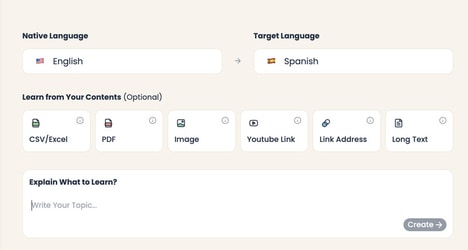
One example emerging from this work is Grammar Lab, an AI-powered tutor built with Gemini models that helps deaf and hard-of-hearing students strengthen their language skills in both American Sign Language and English through adaptive, individualized exercises.
Image Credit: Google
Why This Trend Is Growing
- Natively Adaptive Interfaces
- This trend describes interfaces that reconfigure in real time to match individual sensory, cognitive, and language needs, enabling platforms to serve diverse user abilities without separate accessibility layers.
- Accessibility-first AI
- Products designed with accessibility as a core principle promise broader usability benefits through built-in features like automatic audio descriptions and simplified layouts that scale across user groups.
- Community-centric Co-design
- Collaborative development with disability communities signals a shift toward solutions grounded in lived experience, increasing the likelihood of more relevant and widely adopted assistive capabilities.
Industries Being Reshaped
- Education Technology
- Adaptive tutoring systems that tailor language, visual, and interaction modes to learners’ needs could transform engagement and outcomes for students with diverse communication profiles.
- Consumer Electronics
- Devices embedding native adaptability and multimodal outputs are positioned to redefine mainstream product accessibility and create new differentiators in user experience design.
- Healthcare Services
- Clinical and patient-facing platforms with real-time interface adaptation may improve care coordination and accessibility for patients with sensory or cognitive impairments.