In collaboration with the EkoDoku Women Sustainable Living Cooperative, the International Labour Organisation (ILO) office in Turkiye has launched an initiative to promote eco-friendly textiles and highlight the environmental toll of fast fashion. This effort, driven by field visits from ILO officers and bolstered by technical and financial support from the ILO, aims to advance sustainable fashion practices in the country.
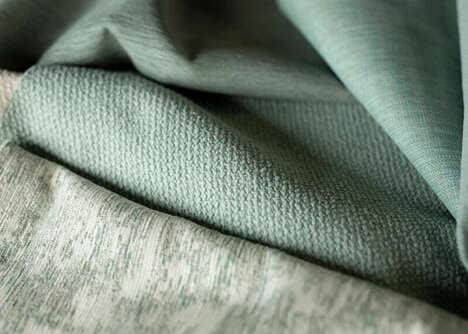
EkoDoku will spearhead the creation of a unique collection crafted from nature-based fabrics and traditional techniques. This initiative, funded by the US government, is designed to advocate for sustainable textiles and generate formal job opportunities. The official launch on August 3 was celebrated with an 'Eco Dyeing and Printing Workshop.'
The ILO's broader mission with this project is to expand the implementation of Nature-Based Solutions (NbS) at EkoDoku, addressing issues such as informal employment, low wages, and productivity challenges.
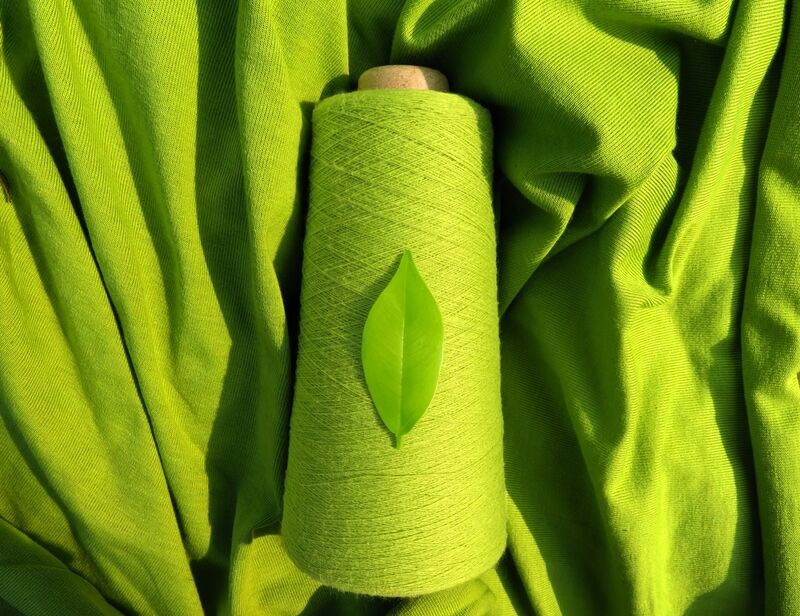
Image Credit: Ishita Aindley
Key Themes Behind This Trend
- Nature-based Fabrics
- EkoDoku is creating a unique collection from nature-based fabrics, highlighting an innovative approach to sustainability in textiles.
- Eco-friendly Dyeing Techniques
- The 'Eco Dyeing and Printing Workshop' emphasizes sustainable dyeing methods, setting a new standard for the textile industry.
- Sustainable Cooperative Models
- The collaboration between ILO and EkoDoku showcases a sustainable cooperative model that integrates eco-friendly practices and economic empowerment.
Where This Applies
- Textile Manufacturing
- Advancements in eco-friendly textiles and traditional techniques present a significant shift towards sustainable manufacturing processes.
- Fashion Retail
- The push for sustainable fashion practices highlights an emerging niche market for eco-conscious consumers.
- Workforce Development
- Efforts to generate formal job opportunities in the textile sector address issues of informal employment and low wages, fostering economic growth.