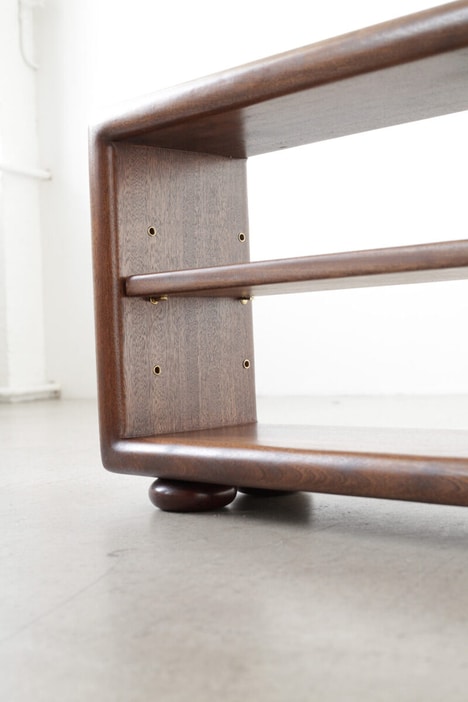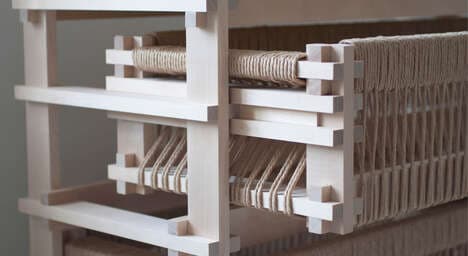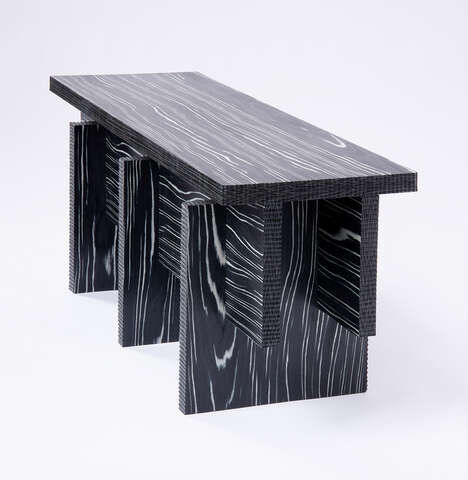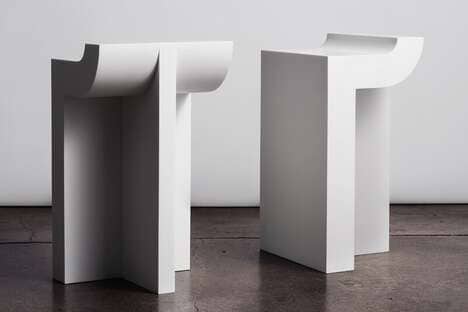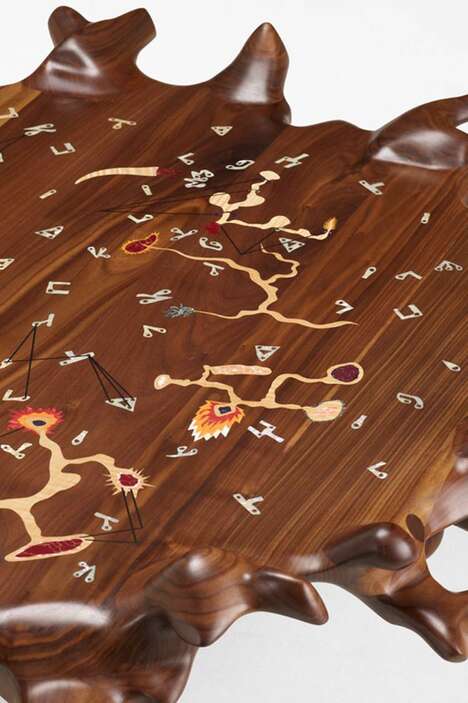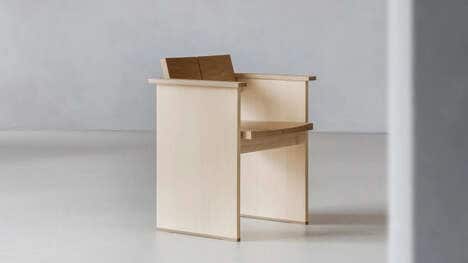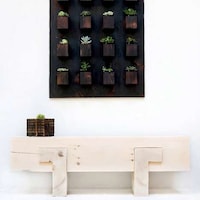
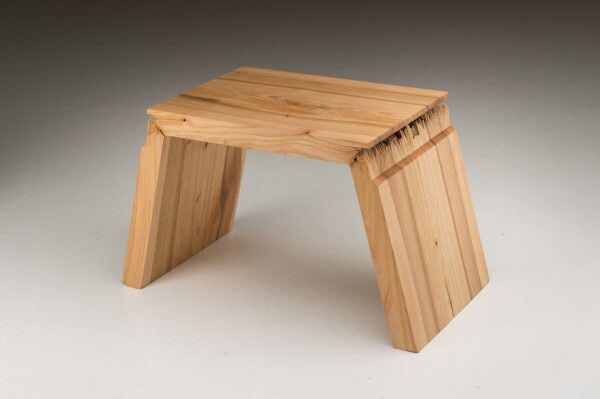
From afar, there doesn't seem to be anything too odd about this wooden furniture collection by designer Jalmari Laihinen. However, if you're investing in a furniture piece from a collection that's called 'Broken,' you're probably going to want to inspect it a little more closely. The name of the collection comes from the use of wood that has been discarded because the splits, knots and other defects are considered to be undesirable for furniture pieces.
Laihinen's designs reverse this notion, making the defects in the wood some of the most prominent parts of the furniture designs. The Broken collection includes everything from shelves to tables and chairs, but despite the questionable name, all of the furniture pieces are safe to use and fully functional.
Key Themes Behind This Trend
- Imperfect Design
- There is an opportunity to disrupt the furniture industry by intentionally designing furniture that highlights flaws and imperfections, which may appeal to a growing audience looking for unique, personalized pieces.
- Sustainable Materials
- Using rejected wood and other environmentally friendly materials in furniture production can disrupt the furniture industry and appeal to eco-conscious consumers.
- Circular Economy
- A circular economy approach involves using discarded materials and turning them into something new and valuable, making it a disruptive opportunity for the furniture industry to adopt and showcase creative solutions.
Where This Applies
- Furniture
- The furniture industry can benefit from disrupting its current manufacturing processes and materials through sustainable and upcycling practices, as well as incorporating new design strategies that embrace imperfection.
- Eco-friendly Products
- By using discarded materials that would otherwise be sent to landfills or incinerators, eco-friendly furniture can appeal to consumers who value sustainability and environmentally conscious purchases.
- Interior Design
- Interior design professionals can leverage the imperfect and unique qualities of furniture made from rejected materials to create a personalized, sustainable and environmentally friendly design aesthetic.