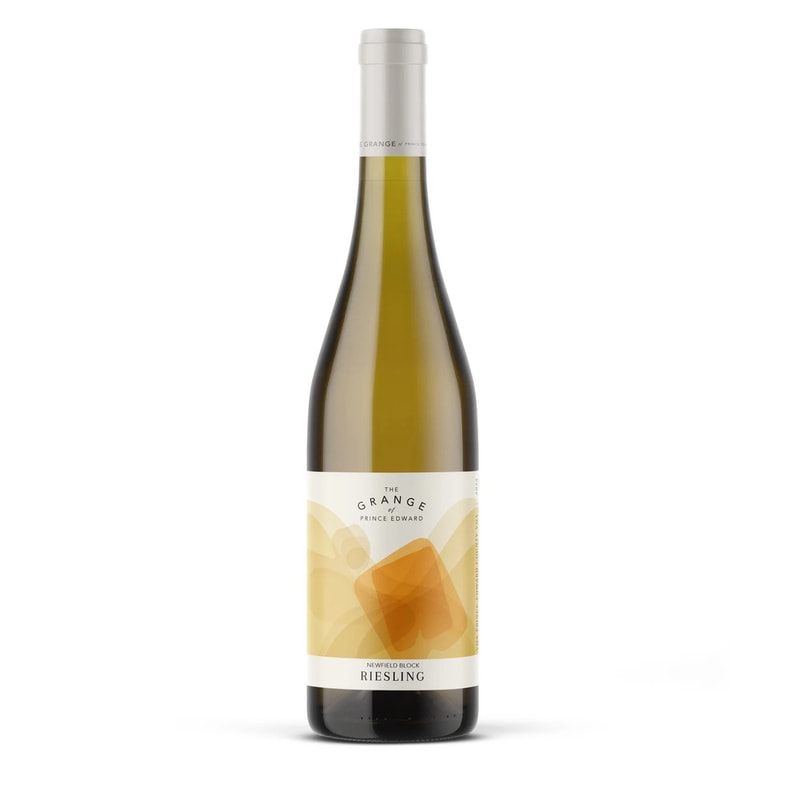
The ‘2025 Estate Riesling’ is a white wine made from estate-grown grapes sourced from the Newfield block and released as part of the winery’s Estate Series. The estate riesling wine presents aromatic notes of lemon-lime, green apple, starfruit and light citrus blossom.
The production centers on grapes harvested in October 2025, with the wine shaped to balance delicate sweetness with fresh acidity. A defining element is its structured profile, bringing together a fuller mouthfeel with measured residual sugar.
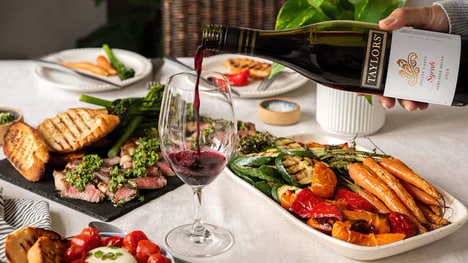
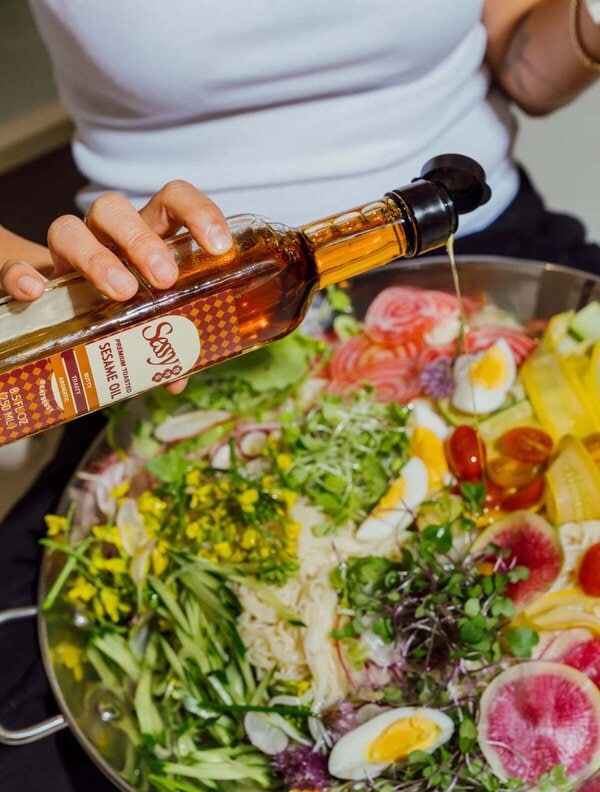
In use, the ‘2025 Estate Riesling’ is described as a dry-style release with fruit-forward notes, including tart mango alongside subtle mineral tones. It is suited to lighter food pairings such as sushi, ceviche or vegetable-focused dishes.
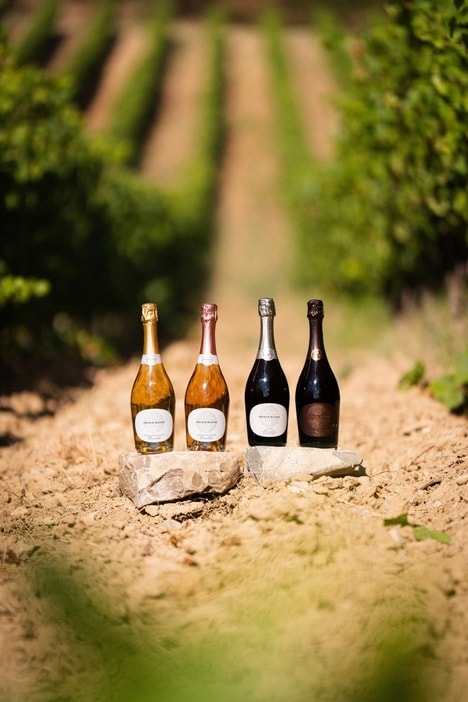
This release reflects a broader category of estate riesling wine formats that highlight vineyard sourcing and seasonal expression, emphasizing how each harvest influences flavour while maintaining a consistent production approach.
Image Credit: The Grange of Prince Edward
What Makes This Trend Stand Out
- Estate-driven Terroir Marketing
- Highlighting single-block provenance and seasonal expression creates opportunities for differentiated luxury labels that command premium pricing and deepen consumer connection to place.
- Controlled Fermentation Techniques
- Advances in temperature, lees management, and yeast selection enable precision-crafted aromatic profiles that can redefine stylistic categories within white wines.
- Balanced Residual Sugar Profiles
- Carefully calibrated sweetness-acidity balances present potential for new subcategories of food-friendly white wines tailored to global palates and pairing occasions.
Sectors Adopting This
- Wine Production
- Estate-focused production models and technical fermentation control open pathways for premium small-batch offerings and scalable quality improvements across vintages.
- Fine Dining and Hospitality
- Restaurants and tasting rooms emphasizing curated, terroir-specific wine lists can reshape guest experiences by pairing aromatic dry whites with lighter, ingredient-led cuisine.
- Agritech and Vineyard Management
- Sensor-driven harvest timing and block-level vineyard analytics offer the prospect of optimizing grape composition for targeted aromatic and sugar-acid outcomes.