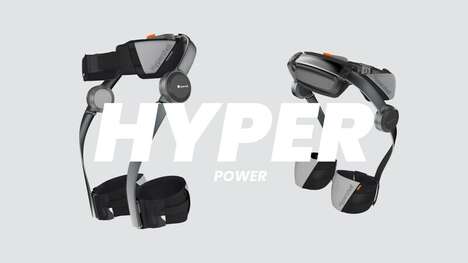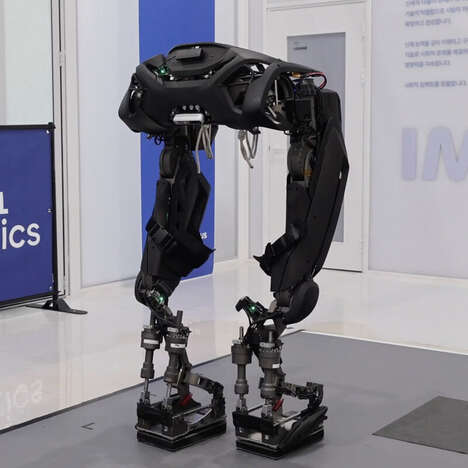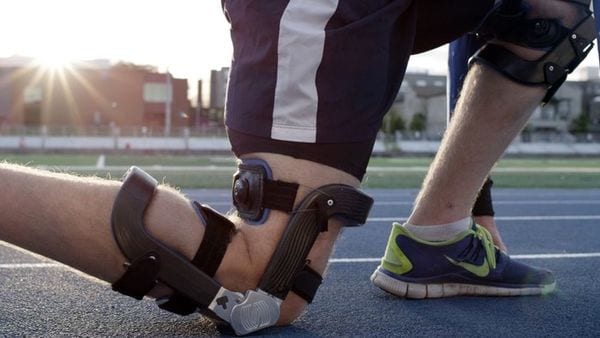
Wearable exoskeletons have shown a lot of promise as a wonderful way to help disabled people regain a good degree of mobility, but these designs have proven to be extremely expensive to the point that it's not really possible to offer them commercially.
However, the 27-pound Phoenix exoskeleton is planning to shake all that up. At only $40,000, it is fairly affordable and is available for sale to the public.
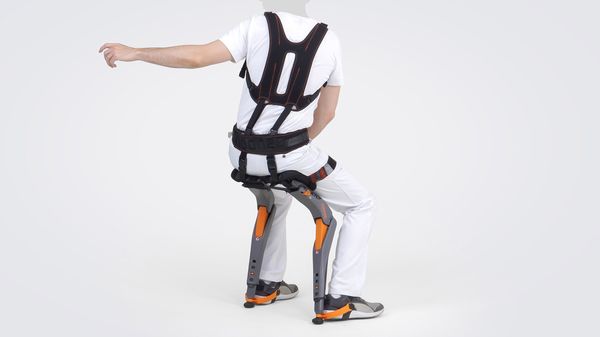
Based on robotics research from the University of California, Berkeley, the exoskeleton attaches to the wearer's hips and legs. It is modular and easily controllable by the user, while caregivers can tweak the exoskeleton's parameters using a companion Android app.
This wearable exoskeleton is particularly promising for use with disabled children whose families cannot afford other alternatives.
Why This Trend Is Growing
- Affordable Wearable Exoskeletons
- Disruptive innovation opportunity: Develop cost-effective wearable exoskeletons for commercial use in the mobility assistance industry.
- Modular Exoskeleton Designs
- Disruptive innovation opportunity: Create modular exoskeleton designs that offer customizable support for different mobility needs in the healthcare industry.
- Wearable Exoskeletons for Disabled Children
- Disruptive innovation opportunity: Design affordable wearable exoskeletons specifically catered to helping disabled children with mobility challenges.
Industries Being Reshaped
- Mobility Assistance
- Disruptive innovation opportunity: Develop affordable wearable exoskeletons to revolutionize mobility assistance for disabled individuals.
- Healthcare
- Disruptive innovation opportunity: Utilize modular exoskeleton designs to improve rehabilitation and mobility support in the healthcare industry.
- Childcare
- Disruptive innovation opportunity: Create affordable wearable exoskeletons specifically designed for disabled children, offering improved mobility and independence.