Waymo, Google's self-driving car could feature a design that allows the vehicle to soften itself if it detects a potential collision with a pedestrian.
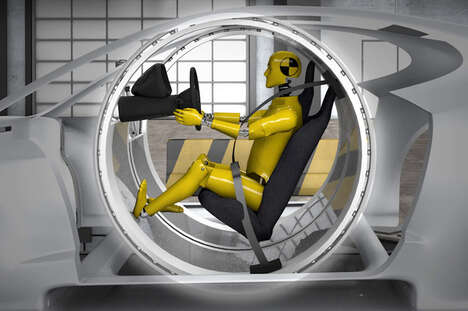
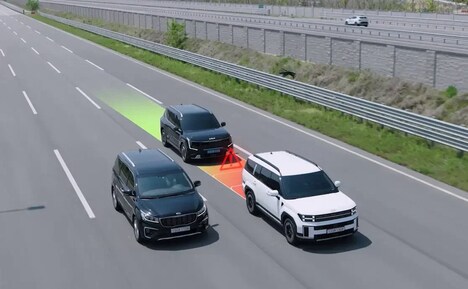
Even though research suggests that autonomous vehicles would contribute to a decrease in road collisions, accidents are still bound to happen, and any time there's a car involved, it could be fatal. To ensure optimal safety for not just its drivers, but everyone, Waymo developers are working on securing a patent that allows the car's exterior to "alter its rigidity" when it detects its about to hit a pedestrian. The car will do so through elements embedded within it, called "tension members." When the car detects a potential collision, a signal will be sent to these tension members, prompting the car to alter the "hardness" of its panels.
What's Driving This Trend
- Pedestrian-safe Autonomous Vehicles
- As self-driving cars become more commonplace, the focus will shift to developing new safety features to protect pedestrians and other vulnerable road users.
- Adaptive Car Design
- The use of embedded tension members to alter a car's rigidity highlights the potential for future car designs to be more adaptable and responsive to their environment.
- Patented Safety Technology
- Waymo's patent signals a push in the industry to develop unique safety features that give companies a competitive edge in the self-driving car market.
Who This Affects Most
- Automotive Manufacturing
- The development of pedestrian-protecting features presents opportunities for the automotive industry to enhance their designs, making their vehicles more attractive to safety-conscious consumers.
- Autonomous Vehicle Technology
- In the race to develop the most advanced autonomous vehicle technology, safety features such as pedestrian protection will become a key area of competition.
- Public Transportation
- With increasing interest in autonomous public transportation, the development and incorporation of safety features will be crucial to gaining public trust and acceptance of these new technologies.