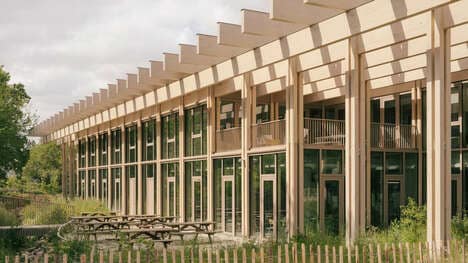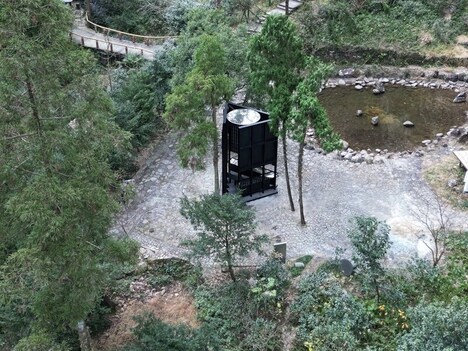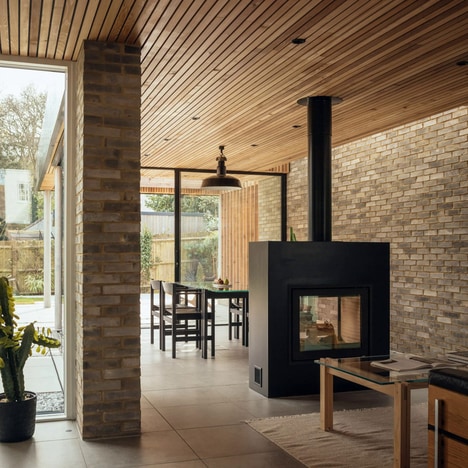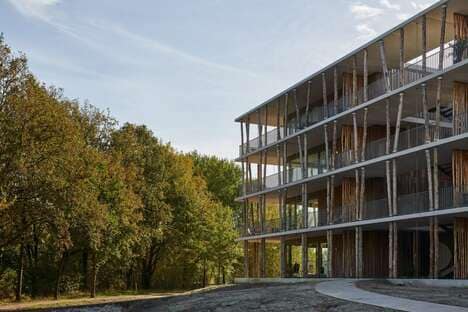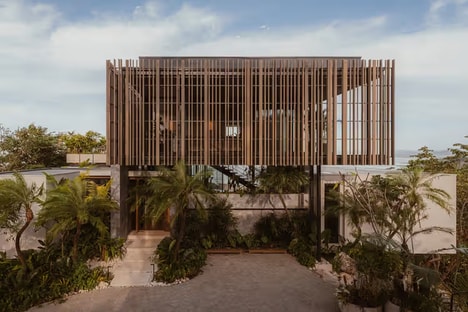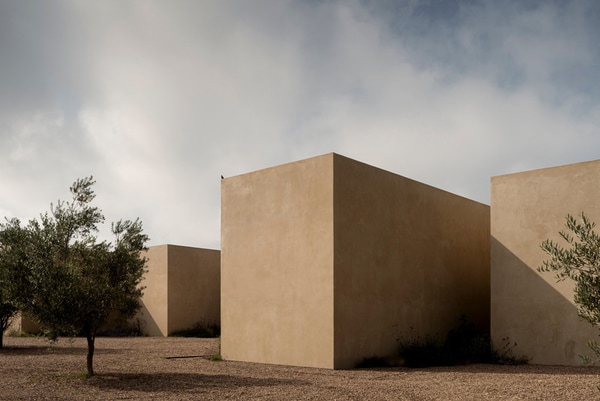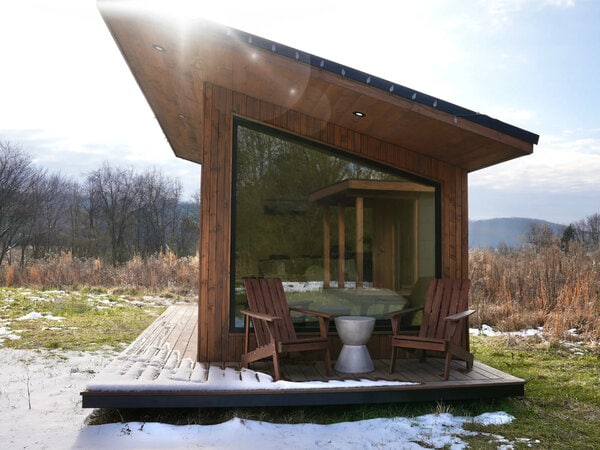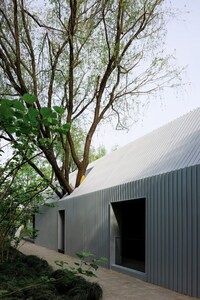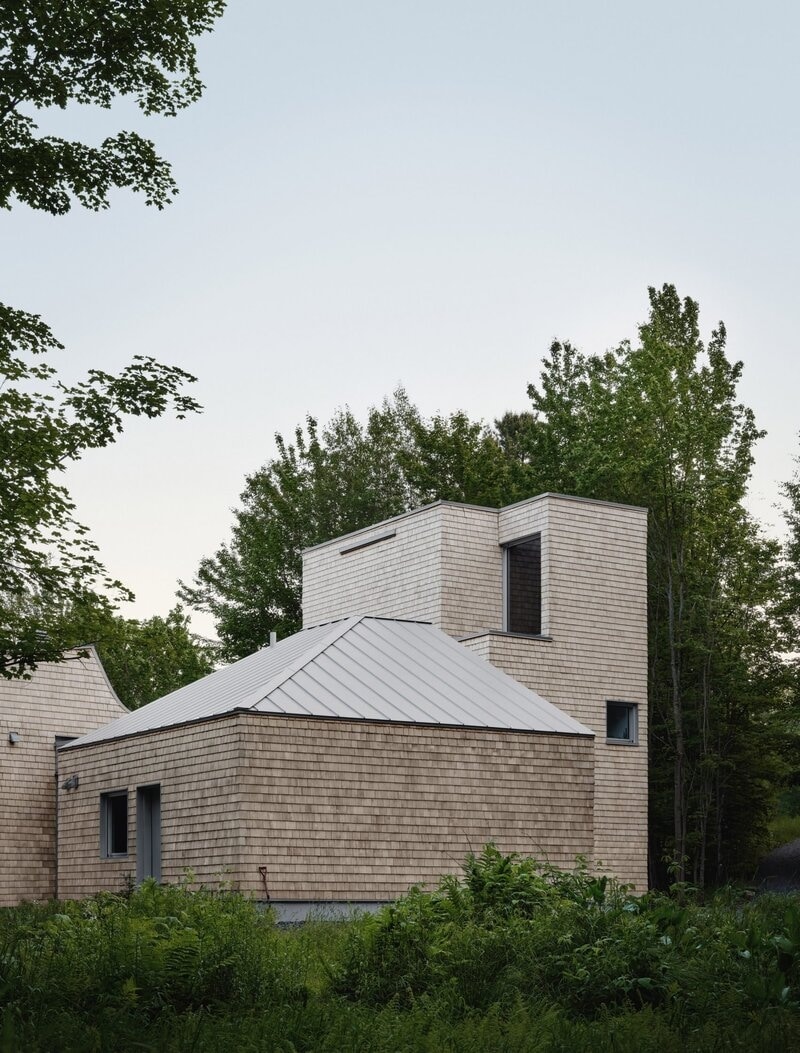
The Waterhouse-Oyama by Julia Manacas Architecte redefines the relationship between gallery and environment through a structure that feels both anchored and open. Nestled within a dense forest, the building uses timber cladding and expansive glazing to merge seamlessly with its surroundings. Its sloped rooflines and transparent facades echo the rhythm of nearby trees, allowing natural light to move gently through each space. The result is a quiet balance between shelter and exposure, where the interior frames the landscape as much as it displays art.
The pavilion’s design prioritizes restraint and material honesty. Local wood, minimal detailing, and diffused daylight create a meditative atmosphere that draws focus to texture and tone. Circulation paths guide visitors through shifting perspectives of forest and sky. The Waterhouse-Oyama stands as an architectural reflection on coexistence, transforming a remote woodland into a space of cultural and sensory connection.
Image Credit: Alex Lesage
Key Themes Behind This Trend
- Integration of Natural Elements in Architecture
- Architectural designs that incorporate natural elements open up opportunities for creating spaces that blend seamlessly with the environment, enhancing cultural and sensory experiences.
- Sustainable Material Usage
- Emphasizing sustainable materials like local wood in construction highlights an opportunity for eco-friendly practices that reduce environmental impact and promote local craftsmanship.
- Adaptive Art Spaces
- The fusion of adaptive art spaces with natural landscapes offers a novel way to engage communities, merging artistic expression with the appreciation of nature.
Where This Applies
- Architectural Design
- Innovations in architectural design focusing on environmental integration present new possibilities for buildings that prioritize harmony with their natural surroundings.
- Sustainable Construction
- The sustainable construction industry can capitalize on using eco-friendly materials and techniques that respect and reflect local ecosystems.
- Art and Cultural Venues
- Art and cultural venues have the potential to redefine their spaces by situating galleries within natural landscapes, creating immersive and reflective visitor experiences.