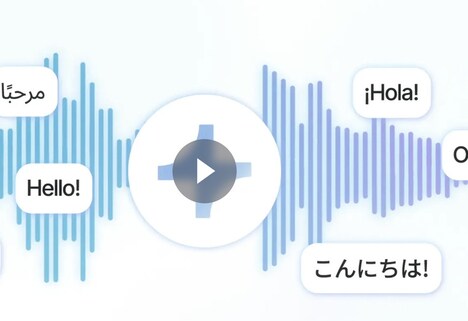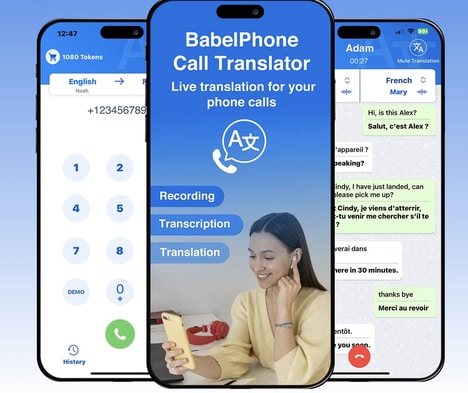

DeepL launched a voice-to-voice translation suite designed to translate spoken language across meetings, mobile and web conversations, and group sessions, featuring add-ons for platforms like Zoom and Microsoft Teams. The company introduced an API so developers and businesses can integrate the system into custom apps such as call centers, and it said the stack currently transcribes speech to text, translates, then synthesizes audio.
The release includes early-access plugs for meeting platforms where listeners can hear live translated audio or follow translated captions, a mobile/web product for remote or in-person chats, and QR-based join flows for group workshops. DeepL said the system can adapt to custom vocabulary like industry terms and names and that it manages the full voice-to-voice stack.
For consumers and organizations this means lower-language friction in global meetings and frontline workflows, improving access where multilingual staff are scarce; DeepL framed the move as a natural extension of its text translation expertise and signaled plans to develop end-to-end voice models that bypass text transcription.
Image Credit: DukiPh / Shutterstock
Why This Trend Is Growing
- Real-time Voice Translation
- Real-time multilingual meeting audio and captions that reduce language friction in global teams and alter expectations for synchronous collaboration.
- End-to-end Voice Models
- Direct speech-to-speech neural stacks that bypass text intermediaries and open possibilities for lower-latency, privacy-preserving translation services.
- Custom Vocabulary Adaptation
- Domain-adaptive voice translation capable of preserving industry-specific terms and names, shifting value toward tailored linguistic models rather than generic translators.
Industries Being Reshaped
- Enterprise Collaboration Platforms
- Integrated live-translation features within meeting and chat platforms that change user expectations for inclusivity and global meeting readiness.
- Call Centers and Customer Support
- Voice-to-voice translation APIs for customer service that enable multilingual support at scale and reduce dependence on geographically dispersed language specialists.
- Language Learning and Edtech
- Immersive, real-time translated conversation experiences that transform language practice, assessment, and accessibility for learners in diverse settings.