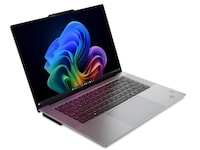

Lenovo is giving its IdeaPad Vibe 14 range a major battery-life boost with the 14Q8X12, a new version powered by Qualcomm’s Snapdragon X chip. The laptop claims up to 31 hours of local video playback on a single charge, a 75% increase over its AMD-powered counterparts.
Lenovo’s figures come from a local 1080p video test at 150 nits of screen brightness. Under the same conditions, the two AMD models last up to 17 hours. The Snapdragon version is the only Qualcomm-powered option in the trio and is available in the US and Canada.
For shoppers comparing models in the same range, the difference could mean spending far less time searching for a charger. The headline battery claim gives the Snapdragon version a clear selling point for travel, long working days and other situations where a power outlet is not always within reach.
Image Credit: Lenovo
Part of the cluster
Local Intelligence
Personal computers are being equipped for on-device model workloads
Explore the cluster



Why This Trend Is Growing
- Ultra-long Battery Laptops
- Multi-day battery performance reframes laptops as travel-ready productivity tools, creating space for premium positioning around uninterrupted work and entertainment.
- Arm-powered Computing
- Qualcomm-based notebook designs signal a shift beyond traditional x86 processors, opening opportunities for thinner, cooler, and more energy-efficient device ecosystems.
- Power-independent Workflows
- Extended runtime expectations are reshaping mobile work habits, with professionals valuing hardware that supports productivity in airports, transit, and remote environments.
Industries Being Reshaped
- Consumer Electronics
- Laptop makers can differentiate crowded product lines through battery endurance claims that directly address mobility, convenience, and device reliability.
- Semiconductors
- Energy-efficient chip architectures are becoming central to PC competition, positioning processor suppliers as key enablers of next-generation mobile computing experiences.
- Business Travel
- Long-lasting laptops reduce dependence on charging infrastructure, influencing how frequent travelers select devices for productivity across flights, hotels, and client sites.