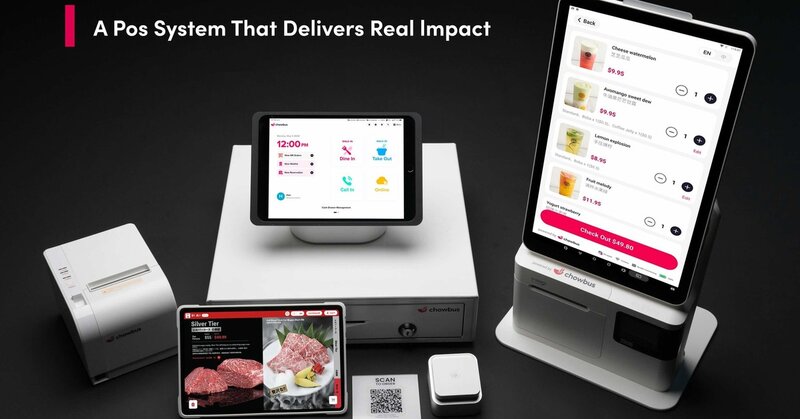
Chowbus has partnered with Maple through a Voice AI Partnership to bring multilingual voice ordering to restaurant merchants in the United States and Canada. The integration extends Chowbus's existing multilingual support, built for immigrant restaurant owners since 2016, to phone, kiosk and drive-thru channels via Maple's voice AI engine.
The voice AI engine identifies a guest's language on the first exchange and stays in that language through payment. It currently supports English, Mandarin, Cantonese and Korean, and orders sync directly into Chowbus's POS system alongside in-store, kiosk and online orders.
The research shows that restaurants miss between 21% and 43% of calls during busy periods, costing a single location roughly $30,000 annually in lost orders, a gap the partnership aims to close.
Image Credit: Chowbus
Why This Trend Is Growing
- Multilingual Voice Commerce
- Language-aware AI ordering systems create new value by reducing service friction for diverse customer bases across phone, kiosk and drive-thru channels.
- Automated Restaurant Call Handling
- Voice AI platforms can capture missed orders during peak demand, turning previously lost phone traffic into measurable revenue for foodservice operators.
- Integrated AI POS Workflows
- Direct synchronization between conversational ordering tools and POS systems signals a shift toward unified restaurant operations with fewer manual handoffs.
Industries Being Reshaped
- Restaurant Technology
- Multilingual automation expands the market for restaurant software by addressing labor constraints, missed calls and culturally specific service needs.
- Foodservice Operations
- AI-powered ordering infrastructure offers independent and immigrant-owned restaurants a way to compete with larger chains through more consistent customer access.
- Conversational AI
- Voice systems that detect and maintain a customer's preferred language highlight opportunities for more inclusive, transaction-ready AI across commerce environments.