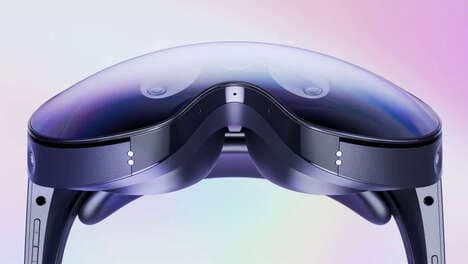

HTC has unveiled its first HTC Vive wireless VR headset at CES 2022, the Vive Focus 3. The headset features 5g functionality on a private network and has been developed in a collaboration with Lumen Technologies. HTC has stated that this headset will be capable of running in nearly any environment while delivering high-speed, low-latency, high-resolution gaming. This poises the all-in-one wireless headset as a prime competitor to the Meta Quest 2.
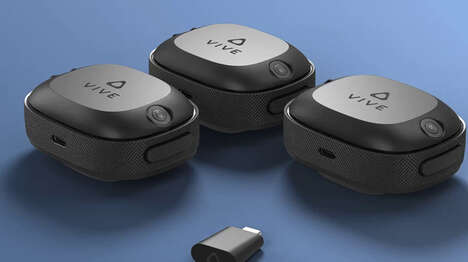
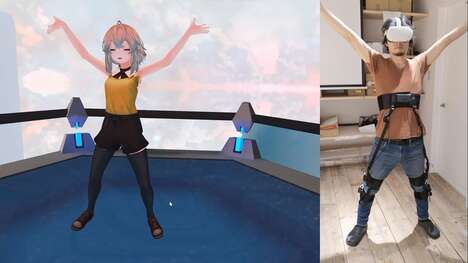
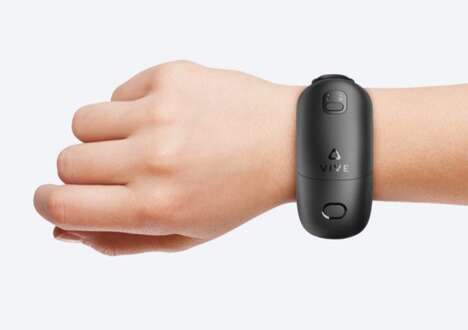
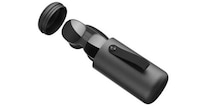
In addition to the wireless headset, HTC has unveiled new wireless wrist trackers to enhance VR experiences. While simple VR headsets often have a headpiece and one controller for each hand, the Vive will now incorporate a wrist tracker that is capable of detecting full-arm movement with low latency. This wrist tracker was made to be used with the existing HTC Vive Focus 3, placing the upcoming wireless headset as a premium competitor to the budget-friendly Meta Quest 2.
Image Credit: HTC
Key Themes Behind This Trend
- Wireless VR Headsets
- The release of the HTC Vive Focus 3 and its wireless capabilities indicates a trend towards VR headsets that are not bound by hardware restraints like traditional VR systems.
- VR Accessories
- The release of wireless wrist trackers by HTC indicates a trend towards developing accessories for VR systems beyond traditional headsets and controllers, opening avenues for new market opportunities.
- 5g-enabled VR
- The introduction of 5G-enabled functionality on the HTC Vive Focus 3 indicates a trend towards wireless VR systems that leverage high-speed connectivity and is a potential market for developing IoT applications.
Where This Applies
- Gaming
- Wireless VR headsets and accessories creates an opportunity for the gaming industry to develop more immersive and interactive gaming experiences.
- Entertainment
- The wireless VR technology has potential applications in the entertainment industry, particularly in theme parks and attractions to provide interactive experiences to visitors.
- Manufacturing
- 5G-enabled VR technology can be used for industrial applications such as remote maintenance and training in manufacturing industries leading to job displacement in some positions.