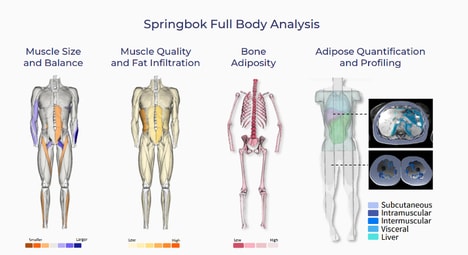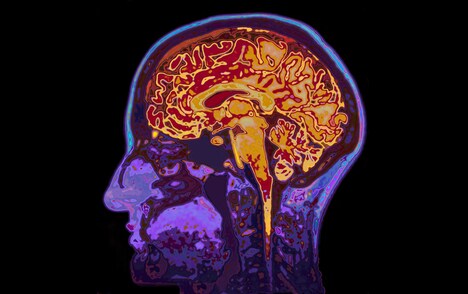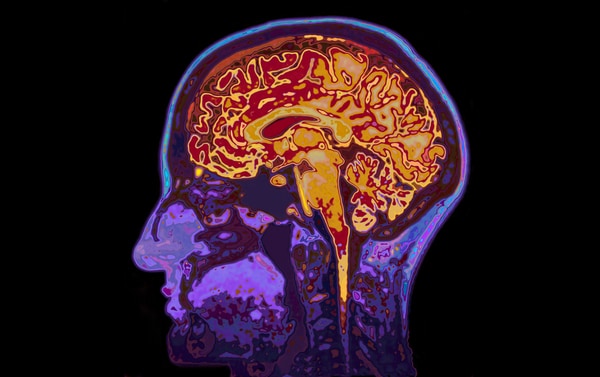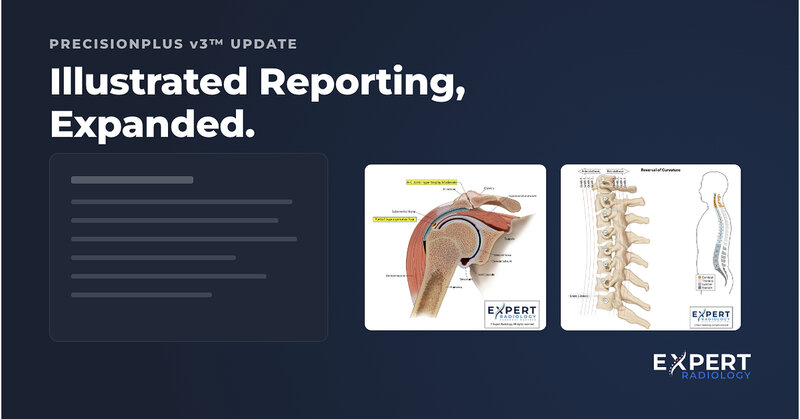
Expert Radiology is expanding visual-first diagnostic reporting with PrecisionPlus v3, which embeds medical illustrations directly into traditional radiology reports. Building on its existing spine and knee visuals, the updated format adds dermatome, shoulder, anterolisthesis and retrolisthesis illustrations, alongside a revamped diffusion tensor imaging set. These graphics provide a visual layer alongside written interpretations, helping physicians and patients better understand where findings occur and how they relate to surrounding anatomy. The illustrations integrate into existing reports without adding turnaround time.
The expanded format gives Expert Radiology a way to differentiate its teleradiology services through report design as well as clinical interpretation. Making complex findings easier to communicate may increase the platform’s value to imaging centers, referring physicians, patients, and medicolegal professionals. Expanding the illustration library also creates a scalable reporting framework that can cover additional anatomy over time, while planned AI-assisted features could further broaden the company’s service capabilities.
Image Credit: Expert Radiology
Key Themes Behind This Trend
- Visual Diagnostic Reports
- Embedded anatomical graphics are transforming clinical documentation into clearer, more interpretable communication tools for physicians, patients, and legal stakeholders.
- Scalable Anatomy Libraries
- Modular illustration sets create a foundation for expanding medical reporting formats across new body regions and specialized diagnostic categories.
- AI-assisted Radiology Communication
- Machine-supported report enhancements can combine clinical interpretation with automated visual context, improving consistency without extending turnaround times.
Where This Applies
- Teleradiology
- Remote imaging providers can differentiate through richer report design that adds communication value beyond diagnostic accuracy alone.
- Medical Imaging
- Imaging centers benefit from reporting formats that make complex findings easier to understand across clinical, patient-facing, and administrative use cases.
- Healthtech
- Digital platforms that merge structured data, visuals, and future AI features are reshaping how diagnostic information is packaged and delivered.