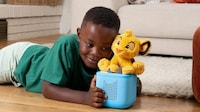
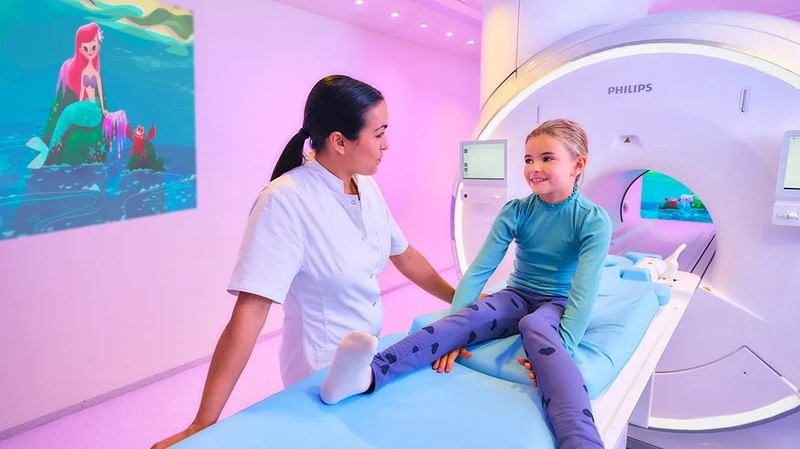
Immersive pediatric imaging is reshaping how healthcare providers approach diagnostic procedures for children. Through a collaboration between Philips and Disney, MRI environments are being transformed with familiar characters, engaging visuals, and story-driven experiences that help young patients feel more comfortable during scans. By reducing fear and anxiety, these enhanced imaging spaces can improve patient cooperation, leading to smoother procedures and fewer interruptions.
For healthcare organizations, this approach offers benefits beyond patient satisfaction. More successful scans may reduce the need for repeat appointments and sedation, helping improve operational efficiency while lowering costs. The partnership also demonstrates how healthcare providers can use entertainment-based experiences to differentiate their services and strengthen patient-centered care strategies. As expectations for healthcare experiences continue to rise, solutions that combine clinical performance with emotional comfort may become increasingly important. This development highlights a growing focus on making medical environments more engaging, accessible, and supportive for pediatric patients and their families.
Image Credit: Philips
Why This Trend Is Growing
- Story-driven Diagnostics
- Narrative-based scan environments blend clinical workflows with familiar entertainment cues, creating potential for more cooperative pediatric procedures and differentiated patient experiences.
- Anxiety-reducing Care Spaces
- Emotionally supportive medical settings represent a shift toward comfort-centered design that can reduce procedural friction, sedation reliance, and repeat appointments.
- Character-led Health Engagement
- Branded characters and immersive visuals introduce new pathways for healthcare providers to build trust with children while improving the perceived value of routine diagnostics.
Industries Being Reshaped
- Medical Imaging
- MRI and diagnostic equipment providers are positioned to integrate experiential software, adaptive room design, and patient-facing content into traditionally hardware-focused offerings.
- Pediatric Healthcare
- Children’s hospitals and family care networks can benefit from environments that combine clinical safety with emotional reassurance, improving both operational efficiency and caregiver satisfaction.
- Entertainment Licensing
- Media and character IP owners gain relevance in healthcare settings as their storytelling assets become tools for reducing anxiety and enhancing service differentiation.