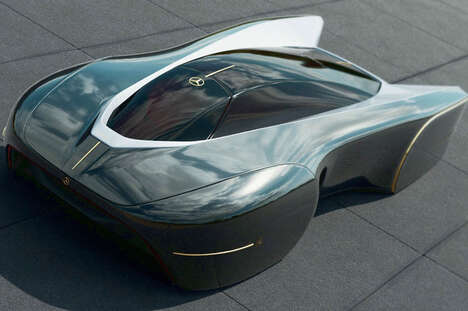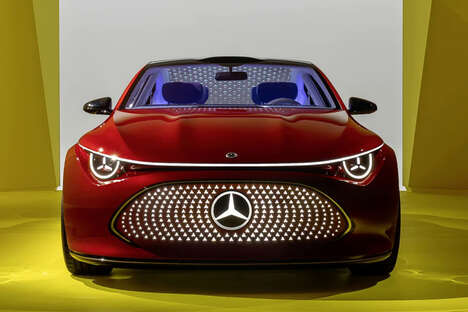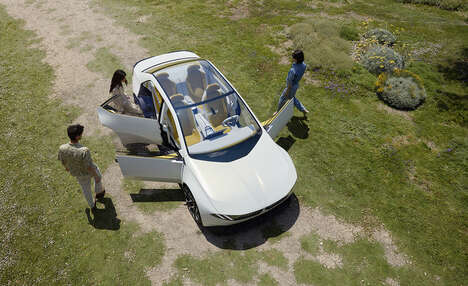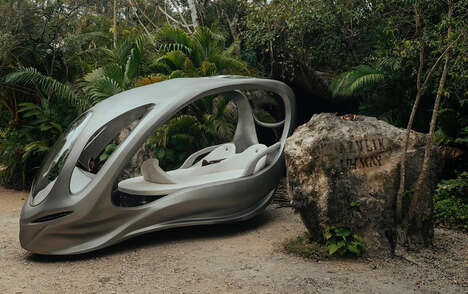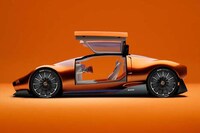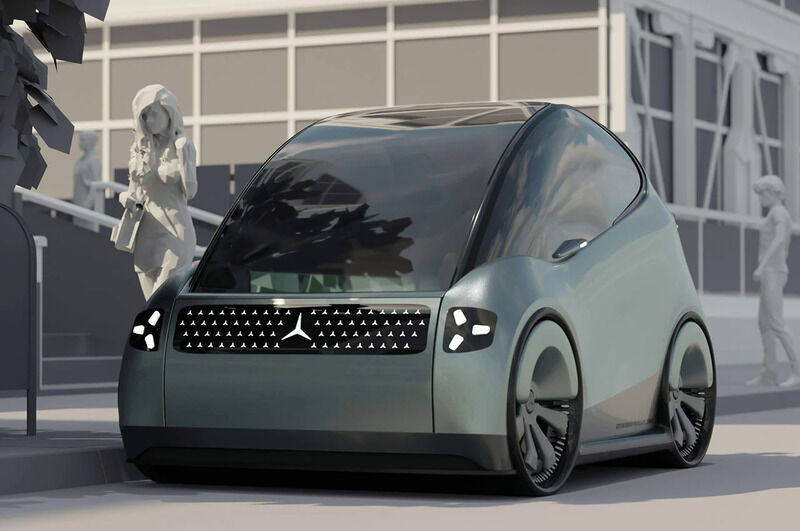
Mercedes Benz unveils a look at the new Vision iMobility concept car that stems from ideas of resilience and efficiency. It is defined by its smooth curved structure, which is inspired by the protective turtle shells. The overall idea blends elements of style and function into one place.
The design aims to create a car that runs on four wheels and takes place during the year 2050 where cars can autonomously interact with traffic systems and other cars and urban features. This way, it optimizes the best route and maximizes riders' safety. Designer Richard Huang explains “Vision iMobility isn’t just a means of reaching a destination; it’s a dynamic and adaptive space that caters to individual needs.”
Image Credit: Mercedes Benz
Key Themes Behind This Trend
- Resilient Design
- The turtle-inspired sleek automobiles showcase a trend towards resilient design, incorporating smooth curved structures for enhanced efficiency and protection.
- Autonomous Interaction
- The Vision iMobility concept car signifies a trend towards autonomous interaction, where cars can seamlessly interact with traffic systems and other vehicles for optimized routes and increased safety.
- Dynamic and Adaptive Spaces
- Vision iMobility represents a trend towards dynamic and adaptive spaces within automobiles, transforming the concept of reaching a destination into an experience that caters to individual needs.
Where This Applies
- Automotive Industry
- The turtle-inspired sleek automobiles have the potential to disrupt the automotive industry by introducing resilient design elements and redefining car functionality.
- Transportation Industry
- With its autonomous interaction capabilities, the Vision iMobility concept car presents disruptive innovation opportunities within the transportation industry by revolutionizing the way vehicles engage with traffic systems and other cars.
- Interior Design Industry
- The concept of dynamic and adaptive spaces in the Vision iMobility concept car opens up new possibilities in the interior design industry, creating a space that adapts to individual needs and preferences.