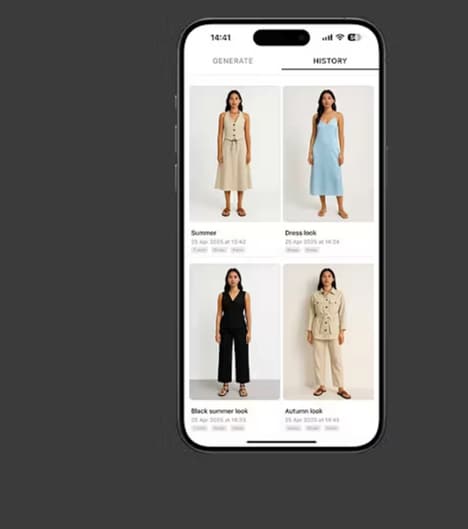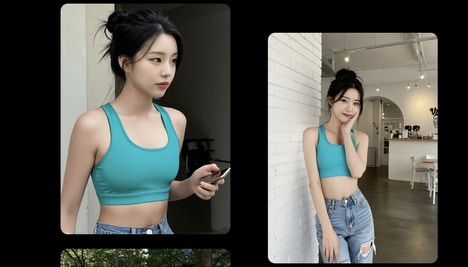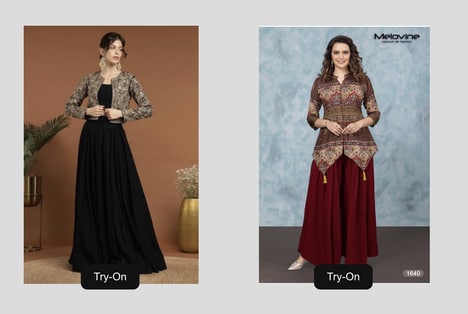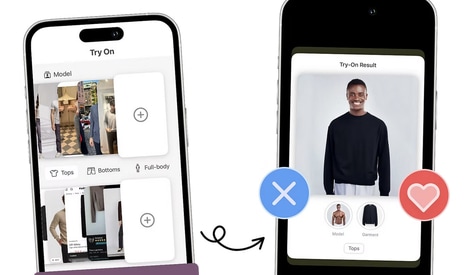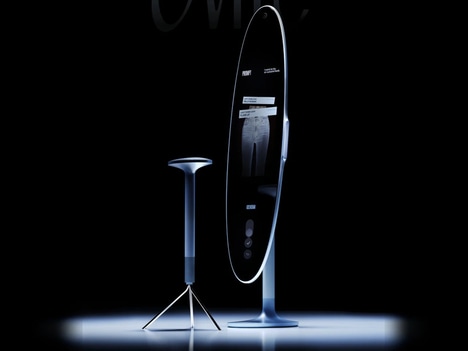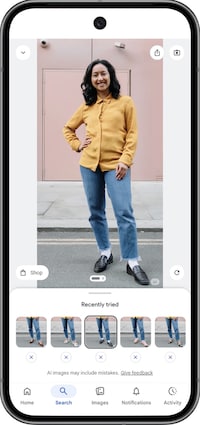
Tesco is testing an in-store virtual try-on for F&F clothing that lets shoppers preview outfits on their own image before they commit to a purchase. Built with AIUTA, the fitting screen in Sandhurst Extra also lets people switch to a digital model to see how different sizes look.
The trial covers about 1,500 menswear and womenswear pieces, so the screen is tied to a real shopping trip rather than a tiny demo. It also sits inside a refreshed F&F area with updated fitting rooms and a returns-and-checkout hub, trimming some of the friction around trying, buying and bringing items back.
For shoppers, this means fewer blind buys when browsing Tesco's fashion floor and a faster way to test unfamiliar looks without heading straight into a changing room. Grocery retailers with clothing lines now have a clearer way to turn a routine store visit into a more guided fashion decision.
Image Credit: Tesco
Why This Trend Is Growing
- Photo-based Try-ons
- Personalized in-store previews reduce uncertainty around fit and style while turning static retail displays into interactive decision tools.
- Hybrid Fitting Rooms
- Blended physical and digital fitting experiences create new space for retailers to shorten trial time, surface size guidance and support higher-confidence purchases.
- Routine Fashion Discovery
- Grocery-led apparel browsing gains fresh relevance as everyday store visits become connected moments for experimentation and outfit planning.
Industries Being Reshaped
- Grocery Retail
- Supermarkets with apparel lines can differentiate routine shopping trips through embedded fashion technology that increases engagement beyond core food purchases.
- Fashion Retail
- Apparel sellers benefit from AI-enabled visualization systems that address sizing friction, returns pressure and hesitation around unfamiliar styles.
- Retail Technology
- Virtual try-on platforms gain commercial traction as retailers seek scalable tools that connect product catalogs, shopper images and in-store conversion journeys.