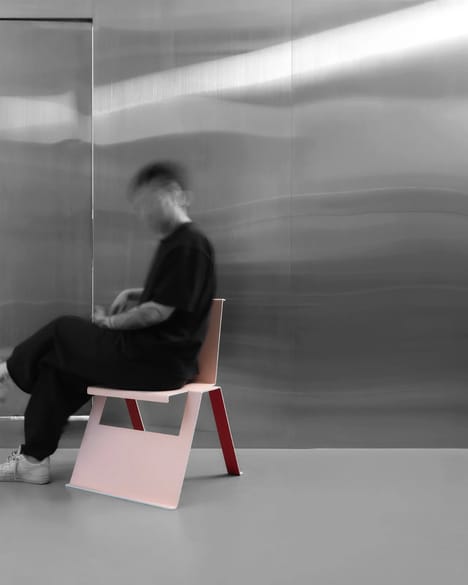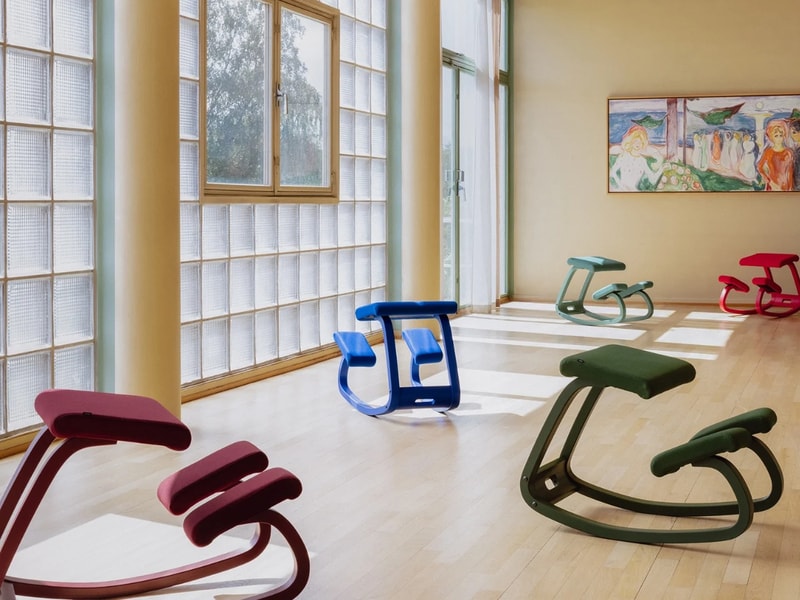
The VARIABLE™ Monochrome updates Peter Opsvik's 1979 kneeling chair with five monochromatic finishes named Forest, Poppy, Plum, Marine, and Grotto. Rather than altering the chair's ergonomic design, Varier extends each color across the wooden runners and upholstered surfaces to create a unified appearance. The chair retains its forward-tilted seat and knee supports, which encourage movement and varied sitting positions while reducing static posture. The refreshed edition was also recognized with a 2026 BIG SEE Product Design Award.
The chair combines beech and ash plywood runners with upholstery made from 100% recycled, OEKO-TEX-certified polyester derived from post-consumer plastic waste. A water-based lacquer finishes the wood components, and Varier backs the design with a 10-year warranty. The Monochrome edition preserves the original ergonomic concept while presenting the chair as a more cohesive furniture piece suited to contemporary residential and workspace interiors.
Image Credit: Peter Opsvik
Key Themes Behind This Trend
- Monochrome Ergonomics
- Unified color treatments are turning functional wellness furniture into design-forward statement pieces that fit seamlessly across residential and professional interiors.
- Movement-centric Seating
- Ergonomic chairs that encourage shifting postures are creating new opportunities for alternatives to static office seating in hybrid work and home environments.
- Recycled Material Furniture
- Post-consumer textiles, water-based finishes, and long warranties are elevating sustainability from a material choice into a premium product differentiator.
Where This Applies
- Office Furniture
- Workspace seating brands can differentiate through ergonomic products that combine posture support, aesthetic cohesion, and adaptable use across flexible office layouts.
- Interior Design
- Residential and commercial designers are gaining access to wellness-oriented furniture that supports visual continuity without sacrificing functional performance.
- Sustainable Manufacturing
- Furniture production is being reshaped by certified recycled upholstery, lower-impact coatings, and durability standards that align environmental value with long-term ownership.