
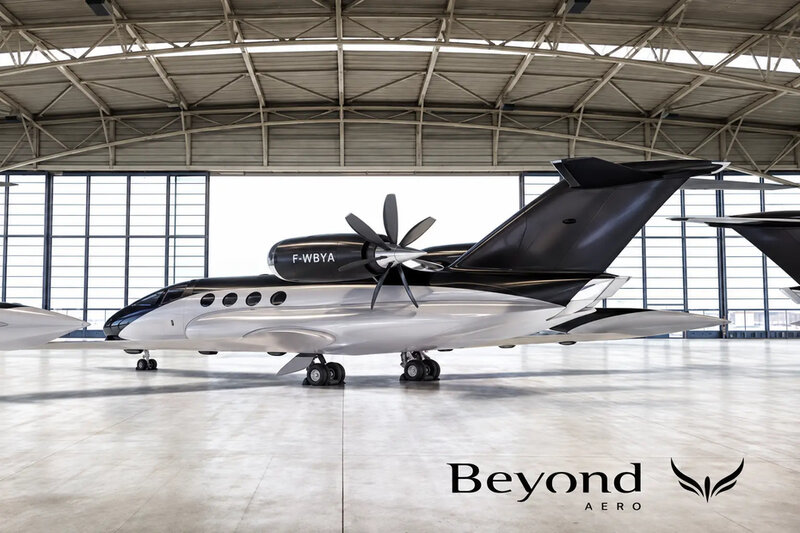
Hydrogen-electric cooling systems are supporting cleaner aircraft designs by managing the demanding thermal requirements of alternative propulsion technologies. TAT Technologies is collaborating with Beyond Aero to integrate its Universal Cooling System into the ONE hydrogen-electric business aircraft. Designed to carry six passengers up to 800 nautical miles, the aircraft combines fuel-cell propulsion with gaseous hydrogen storage. TAT’s scalable cooling technology is designed to provide efficient thermal management while meeting the strict size, weight and reliability requirements of next-generation aircraft.
The collaboration gives TAT Technologies an opportunity to apply its aerospace thermal expertise to emerging hydrogen-powered platforms as manufacturers pursue alternatives to conventional fuels. For Beyond Aero, incorporating an established cooling solution can support development of a reliable aircraft architecture while strengthening its supplier ecosystem. The partnership could also position both companies to benefit as hydrogen-electric propulsion moves closer to commercial aviation applications.
Image Credit: Beyond Aero
What's Driving This Trend
- Hydrogen-electric Aviation
- Cleaner regional and business aircraft concepts are creating room for specialized systems that support fuel-cell propulsion, hydrogen storage and low-emission flight architectures.
- Advanced Thermal Management
- Compact cooling platforms are becoming critical enablers for high-performance electric propulsion systems where weight, reliability and heat control directly affect aircraft viability.
- Modular Aerospace Systems
- Scalable component designs offer emerging aircraft manufacturers a faster path to integration while supporting varied configurations across next-generation propulsion platforms.
Who This Affects Most
- Aerospace Manufacturing
- Aircraft producers are expanding beyond conventional combustion models, opening demand for suppliers with expertise in lightweight, certified and alternative-propulsion-ready components.
- Hydrogen Energy
- The use of gaseous hydrogen in aviation highlights new commercialization potential for storage, distribution and fuel-cell ecosystems outside traditional ground-based applications.
- Aircraft Component Supply
- Specialized suppliers are gaining strategic relevance as electric and hydrogen-powered aircraft require redesigned cooling, power and safety systems tailored to new operating demands.