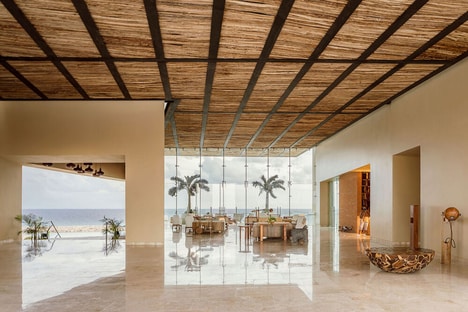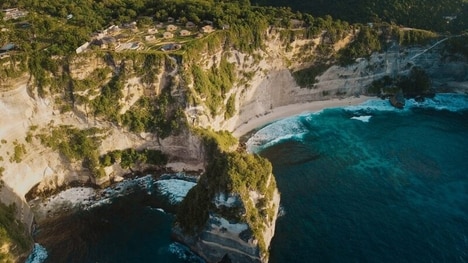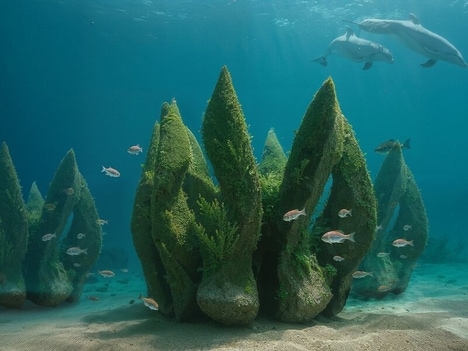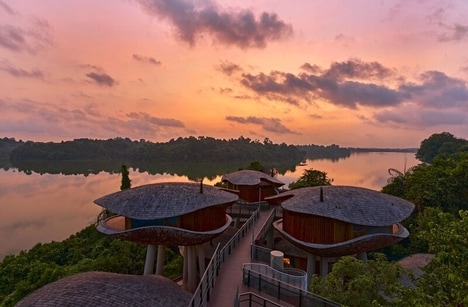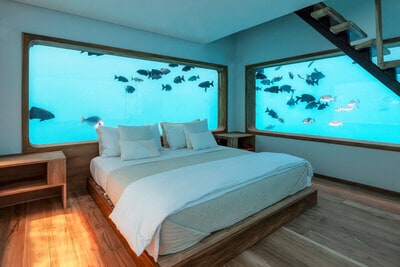
Underwater hospitality suites are redefining luxury travel through immersive ocean experiences that combine environmental awareness with high-end accommodation. The Manta Resort’s newly redesigned Underwater Room in Pemba Island, Tanzania, allows guests to sleep three metres below the Indian Ocean while observing surrounding marine life through panoramic underwater windows. Developed using more than a decade of operational experience, the third-generation floating suite introduces upgraded materials, systems and structural features designed to improve comfort, durability and long-term marine performance. The project also supports coral reef restoration and sustainable fishing initiatives through partnerships tied directly to tourism revenue.
The concept reflects the growing demand for experiential travel that prioritizes sustainability alongside exclusivity. As luxury travelers increasingly seek meaningful and environmentally conscious experiences, resorts may continue developing low-footprint hospitality concepts that support conservation efforts while creating memorable, destination-driven tourism experiences that stand apart from traditional beachfront accommodations.
Image Credit: The Manta Resort
Why This Trend Is Growing
- Immersive Underwater Stays
- This trend opens the possibility for accommodation formats that transform rooms into biophilic, subaqueous environments where guest experience becomes the primary differentiation factor.
- Regenerative Tourism
- Travel offerings are increasingly tied to measurable ecosystem restoration outcomes, creating models where visitor spending directly underwrites local conservation and resource management.
- Luxury Sustainability Integration
- High-end travel is shifting toward seamless blends of exclusivity and environmental stewardship, prompting innovation in premium low-footprint operations and certification-linked value propositions.
Industries Being Reshaped
- Hospitality
- Boutique and resort operators can be disrupted by experiential asset classes like floating suites that change revenue mix, occupancy patterns, and premium amenity expectations.
- Marine Engineering and Materials
- Advances in corrosion-resistant composites, modular pressure systems and durable marine-grade infrastructure can enable scalable, lower-maintenance underwater habitats that were previously cost-prohibitive.
- Conservation Finance
- Mechanisms that link tourism receipts to reef restoration and sustainable fishing create new investment vehicles and performance-based funding streams for coastal ecosystem management.