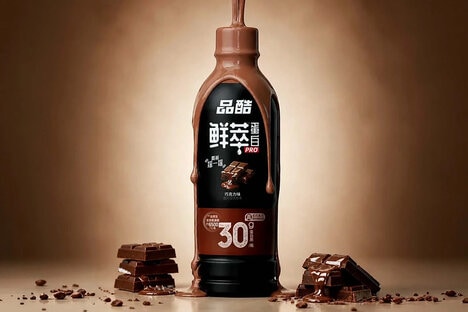
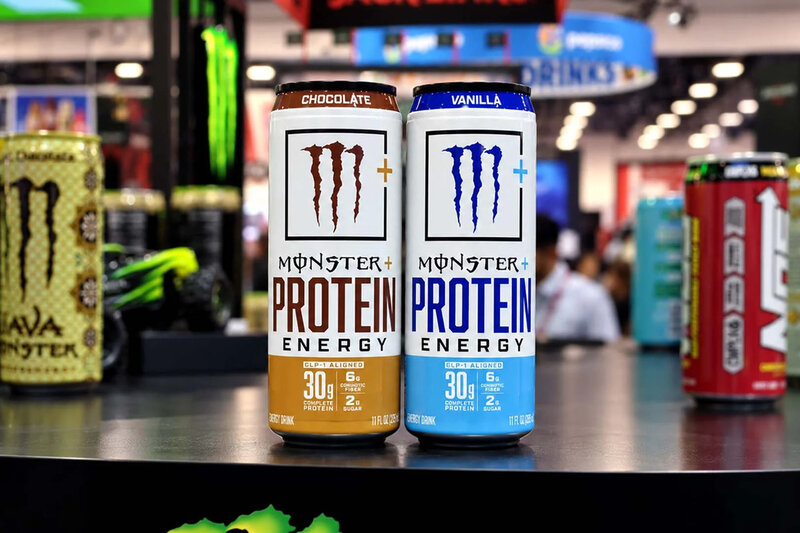
Monster is bringing protein back with Monster Protein Energy, a milk-based drink that folds its usual caffeine kick into a 30g-protein can. The blend uses ultra-filtered milk, which gives the brand a creamier route into protein RTDs and puts the drink closer to a milkshake than a standard energy drink.
The lineup keeps to two flavors, Chocolate and Vanilla, and both versions carry the same protein count. Each can also comes in at just 2g of sugar and 6g of fiber, which makes the format feel more like a functional snack than a straight energy pour.
Monster’s early next-year timing puts the drink back into the protein category after its older Muscle Monster push. That return gives energy drink fans a crossover option built around milk, protein and caffeine instead of the usual fizzy format.
Image Credit: Monster
Key Themes Behind This Trend
- Protein Energy Hybrids
- Blending high-protein nutrition with caffeine creates room for beverage formats that bridge workout recovery, snacking and energy consumption.
- Ultra-filtered Dairy Drinks
- Ultra-filtered milk supports richer, lower-sugar RTD products that can compete with both protein shakes and indulgent milk-based treats.
- Functional Snack Beverages
- Low-sugar, high-fiber drinkable formats reflect growing demand for convenient products that deliver satiety, nutrition and stimulation in one serving.
Where This Applies
- Energy Drinks
- Established energy brands can expand beyond carbonation by using dairy-based formulations to reach consumers seeking performance benefits with a creamier profile.
- Dairy Alternatives
- The rise of enhanced milk beverages highlights potential for filtration, fortification and texture innovation across both dairy and non-dairy protein platforms.
- Sports Nutrition
- Mainstream protein RTDs with familiar flavors create broader access points for consumers who want gym-adjacent benefits without traditional supplement positioning.