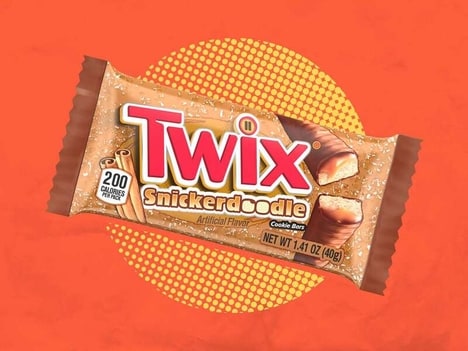
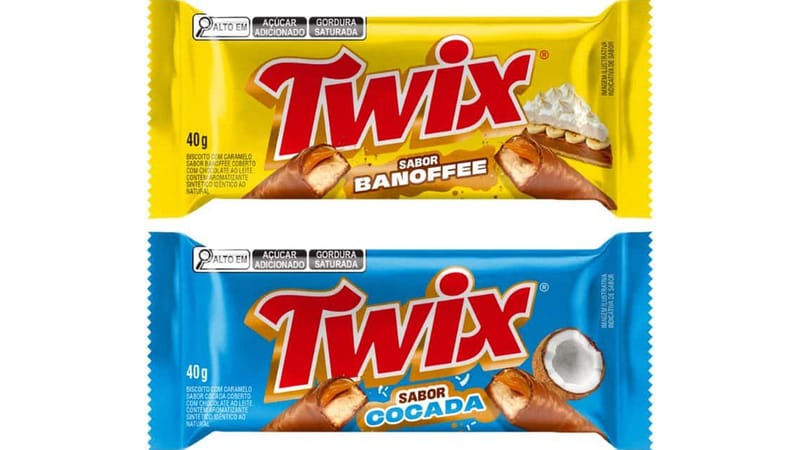
These new Twix candy bars are making their way to Brazil as a series of treats that tackle artisanal inspiration for the mainstream market to help transform each serving into an experience. The classic chocolate snack comes in the Banoffee and Cocada flavors, which each come in 40-gram servings sizes and highlight their respective flavors but still maintain the signature milk chocolate, cookie crunch and caramel as the original. The Banoffee version draws inspiration from the classic British pie to deliver banana and toffee flavors in each bite, while the Cocada offers coconut notes in each piece.
The new Twix candy bars take on the artisan chocolate category with unexpected flavors as a way to draw in the attention of shoppers who are in search of a flavorful, low-cost way to satisfy their sweet tooth.
Image Credit: GKPB
Key Themes Behind This Trend
- Mainstream Artisanal Flavors
- Global candy brands are translating craft dessert cues into affordable formats, creating room for premium-inspired products that remain accessible to everyday shoppers.
- Regional Dessert Adaptations
- Localized flavor profiles such as Banoffee and Cocada reflect growing potential for confectionery lines that blend international brand equity with culturally familiar tastes.
- Experiential Snack Bars
- Layered textures and dessert-inspired ingredients are repositioning simple chocolate bars as sensory treats, opening space for more immersive single-serve indulgences.
Where This Applies
- Confectionery
- The category is being reshaped by mass-market products that borrow from artisanal chocolate, suggesting new possibilities for flavor-led differentiation at low price points.
- Packaged Snacks
- Single-serve snack formats with novel taste combinations signal opportunities for brands to elevate convenience products through more distinctive eating experiences.
- Food Retail
- Retailers can benefit from limited or localized candy innovations that encourage impulse purchases and strengthen shelf appeal in competitive sweet snack aisles.