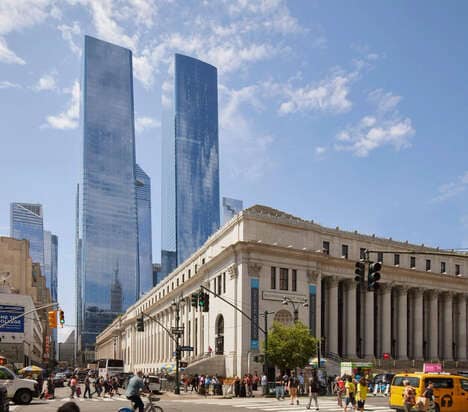
Tribune Tower, a prominent landmark in Chicago, is commemorating its 100th anniversary in 2025. Completed in 1925, the neo-Gothic structure was the result of a design competition aimed at creating a distinctive office building. Over the past century, the tower has undergone several transitions, including serving as the offices of the Chicago Tribune and WGN Radio, before being repurposed five years ago as a luxury residential building.
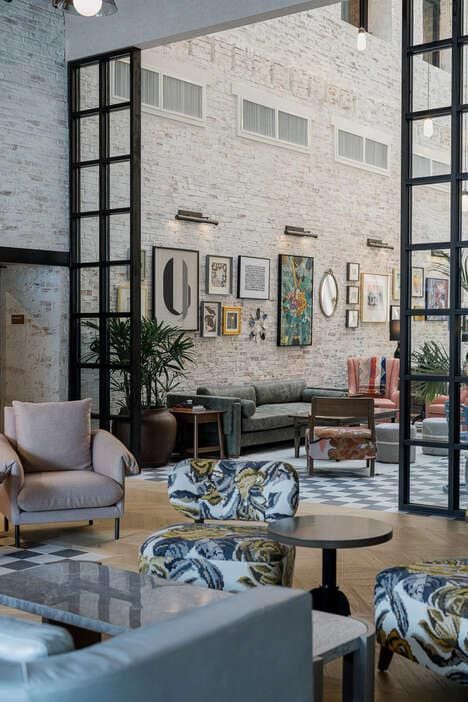
Designated as a Chicago landmark in 1989, Tribune Tower is notable for housing 'Stones of the World'—nearly "150 fragments from renowned global sites embedded within its façade." Today, the building stands as a well-known example of adaptive reuse, with its residential spaces offering a blend of historical architecture and modern design elements. Its transformation into luxury residences reflects the ongoing development of the area while maintaining the building’s historical significance.
Image Credit: Tribune Tower Residences
Key Themes Behind This Trend
- Adaptive Reuse in Architecture
- The transformation of historic buildings into modern residential spaces exemplifies the innovative trend of adaptive reuse, offering new life to iconic structures while preserving their heritage.
- Historical Architecture Integration
- The blend of historical architectural elements with contemporary design in renovation projects highlights a growing trend of integrating past and present aesthetics in urban developments.
- Luxury Residential Conversions
- Converting commercial landmarks into high-end residential complexes is increasingly seen as a trend that aligns luxury living with cultural and historical value.
Where This Applies
- Real Estate Development
- The real estate industry is witnessing a surge in the demand for projects that fuse historical charm with modern luxury, tapping into niche markets seeking unique living experiences.
- Architecture and Design
- Architects and design firms are exploring innovative opportunities in merging the old with the new, fostering a blend of creativity that respects historical contexts while meeting modern standards.
- Cultural Heritage Conservation
- Businesses in this sector have an opportunity to leverage adaptive reuse projects that balance the preservation of cultural landmarks with contemporary functionality.