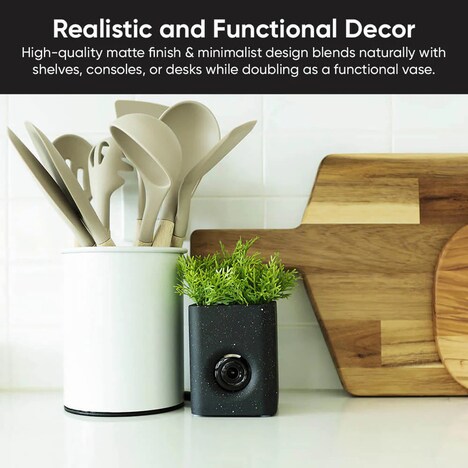
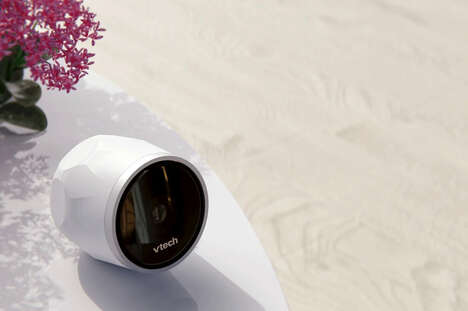
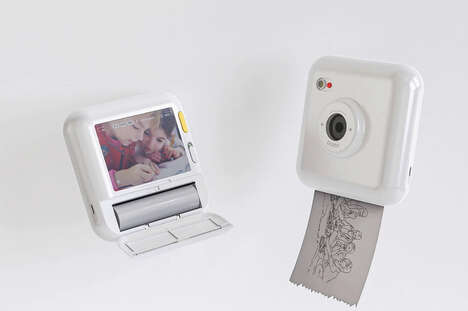
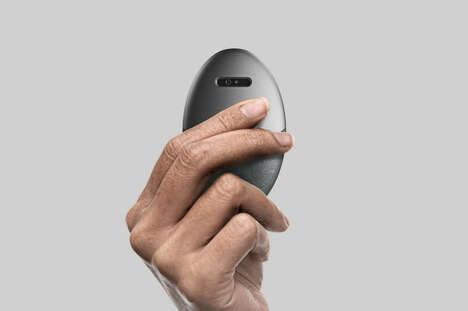
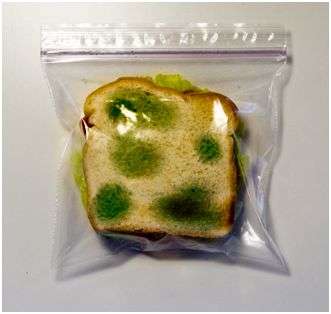
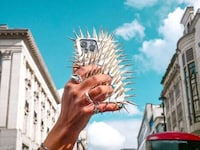
We try so hard to prevent our shiny new possessions from getting scratched, scuffed, or dented - our cars, iPhones, laptops, etc. Heck, my brother just returned a clothes washing machine that was delivered to his home because it had a small ding in it. So, I think it would come as a shock to most people to deliberately uglify something they just paid a few hundred dollars for.
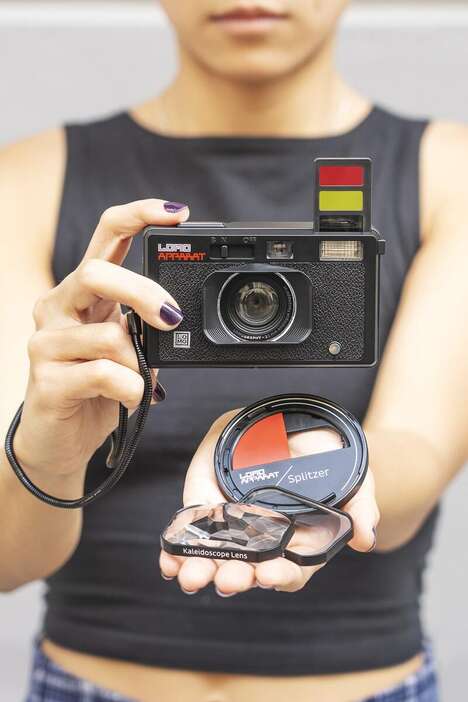
In order to deter would-be-thieves, international photographer Jimmie Rodgers intentionally made his camera look like… well, crap. He taped it up and scribbled on it - giving it an antique, non-digital look. Read more about Jimmie’s circumstances on his blog.
What Makes This Trend Stand Out
- Intentional Damage
- Exploring the trend of intentionally damaging personal property to deter theft and/or signal authenticity.
- Anti-technology Aesthetics
- Observing a rising trend of intentionally making tech look aged, worn, or outdated for a unique look and added security.
- Uglification Marketing
- Analyzing the concept of deliberately marketing a product as unattractive or atypical to appeal to specific audiences or needs.
Sectors Adopting This
- Photography
- There is an opportunity for camera manufacturers to design intentionally distressed and unattractive models to appeal to a security-conscious and unique aesthetic market.
- Consumer Electronics
- Electronic device makers can incorporate intentional uglification to appeal to consumers wanting individualism, authenticity, and protection from theft.
- Fashion
- Fashion brands could build on the consumer trend of appreciating and celebrating worn, aged, or eclectically repurposed goods in their designs and marketing.