DBS, one of the world's most valuable banks, recently released the 'Trash Princess' inniative that confronts viewers with startling information about the fashion industry including the fact that it's the second-largest polluter in the world -- only second to the oil industry.
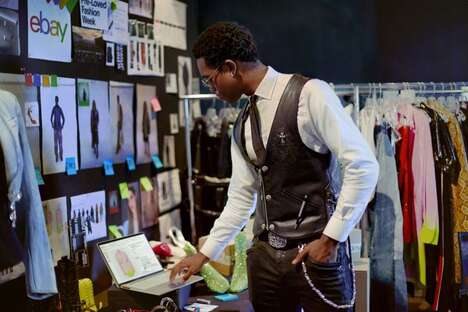
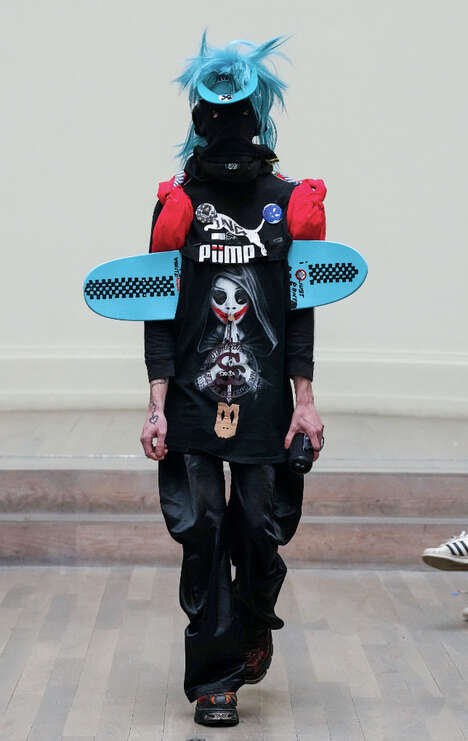
It takes place at a runway show were a group of guests discuss the environmental consequences brought forth by fast fashion. The Trash Princess film progresses to showcase a workshop of one of the characters who upcycles post-consumer products to create new garments. For example, there are shorts made from recycled water bottles, a shirt made from used coffee grounds, and a recycled pillow.
As part of its effort to create a sustainable world, DBS launched four sustainability interest groups and also hosts clothing swaps for employees -- so far collecting more than 200kg of donated items.
Why This Trend Is Growing
- Sustainable Fashion
- Creating fashion from sustainable sources to reduce impact on the environment.
- Circular Economy
- Changing the current linear economic model of take-make-dispose to an economy where resources are kept in use for as long as possible.
- Upcycling
- Transforming waste materials to create new, higher value products.
Industries Being Reshaped
- Banking
- Opportunities for banks to implement sustainable practices and invest in environmentally conscious companies.
- Fashion
- Opportunities for fashion industry to shift to sustainable practices like upcycling, using natural fabrics and reducing waste.
- Waste Management
- Opportunities for companies in the waste management industry to integrate circular economy principles and work toward zero waste.