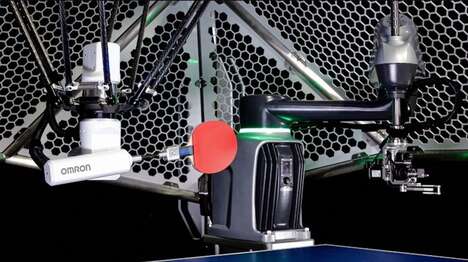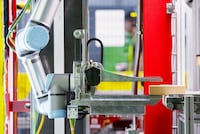

Robots have been rising in popularity over the last decade as a result of the many functions they can perform, and with these touch replicating sensors, robots are starting to become more human-like.
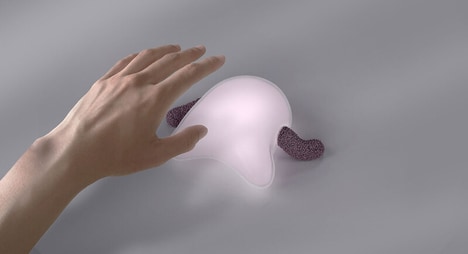
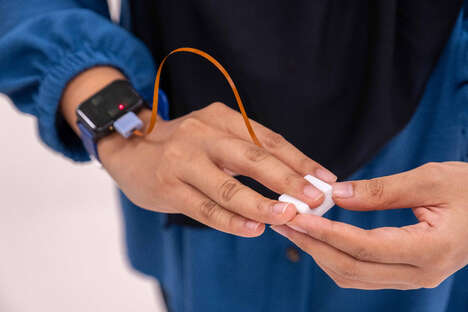
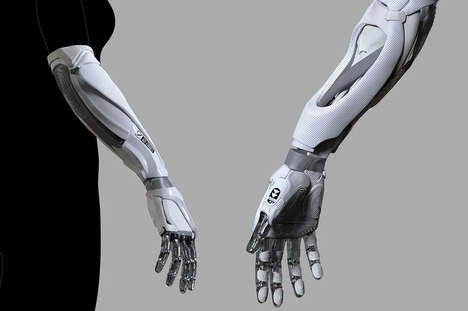
Scientists have invented a way that robots would be able to feel touch, in the same way that humans do. This sensor detects heat, pressure and humidity, which will be able to allow robots to know when they are being touched. Even though it may seem weird that a robot would need these feelings, there is a practical application for this sensor. Humans who have lost limbs and have a prosthetic in their place would be able to utilize this sensor in order to continue feeling touch. These touch replicating sensors are potentially a huge breakthrough for anyone who has lost a body part, and this will enable them to still be able to feel their loved ones.
What Makes This Trend Stand Out
- Human-like Robots
- The development of touch-replicating sensors is creating opportunities to make robots more human-like and interactive.
- Robot Assistive Technology
- Touch replicating sensors for robots have disruptive innovation opportunities in the field of assistive technology.
- Sensory Robotics
- The innovation of touch-replicating sensors is leading to new technological advancements in sensory robotics.
Sectors Adopting This
- Robotics
- The touch-replicating sensors have a significant potential to disrupt the robotics industry by enabling the creation of more advanced and human-like robots.
- Prosthetics
- The touch replicating sensors have promising opportunities to innovate assistive technology in the prosthetics industry by enabling the creation of prosthetics that can replicate touch.
- Healthcare
- The development of touch-replicating sensors is creating opportunities for innovation in healthcare technology by enabling people with prosthetics to experience a sense of touch and transform their quality of life.