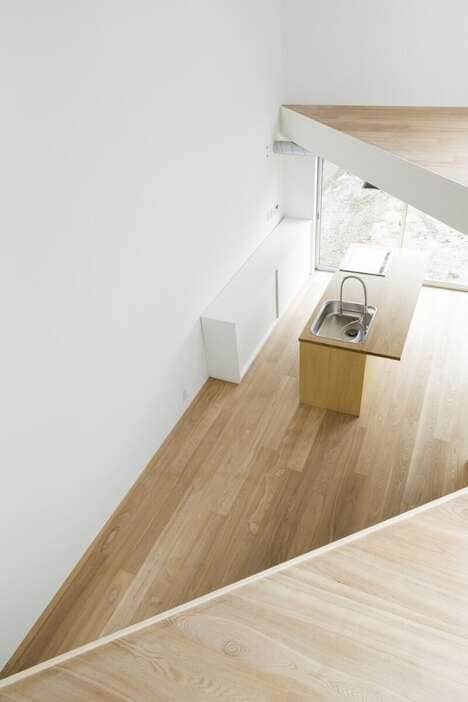
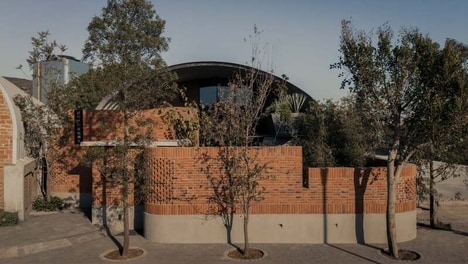
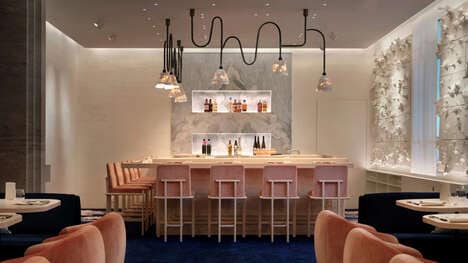
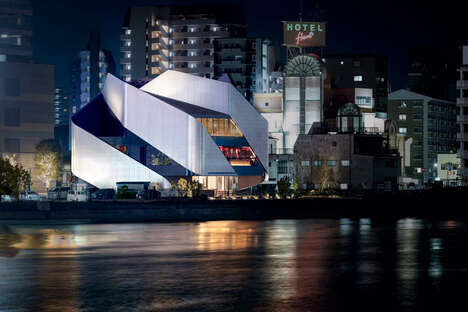
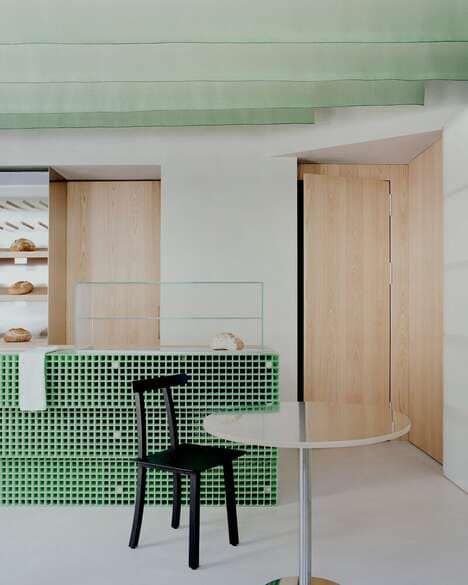
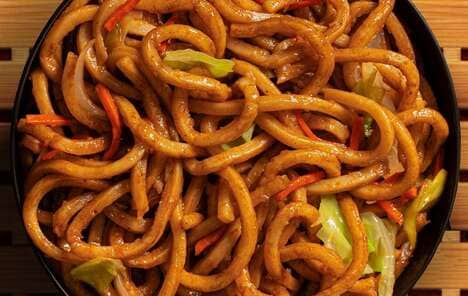
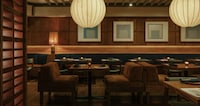
ISSHO Architects designed this curvaceous Tokyo noodle shop. The restaurant actually specializes in soba, not udon noodles. The exterior was meant to evoke a traditional Japanede townhouse and although the designers managed to capture this feeling, the building looks downright modern.
The Tokyo noodle shop's Machiya-style wooden louvers are what give it such a classical vibe. The sensation is recreated inside with a wavy white sectional ceiling. The shop's owner lives in a modest apartment above the restaurant.
What's Driving This Trend
- Curvaceous Architecture
- The trend of designing buildings with curvaceous forms presents opportunities for innovative and visually striking architectural designs.
- Blending Tradition and Modernity
- The trend of combining traditional architectural elements with modern aesthetics offers opportunities for creating unique and culturally rich spaces.
- Sensory Interior Experiences
- The trend of creating immersive interior environments that engage multiple senses provides opportunities for creating memorable dining experiences.
Who This Affects Most
- Architecture
- The architecture industry can leverage curvaceous designs to create distinctive buildings and structures that stand out in the built environment.
- Hospitality
- The hospitality industry can incorporate elements of traditional and modern architecture to create unique and immersive dining spaces that attract and engage customers.
- Interior Design
- The interior design industry can explore ways to create sensory experiences within spaces, enhancing the overall ambiance and enjoyment for visitors.