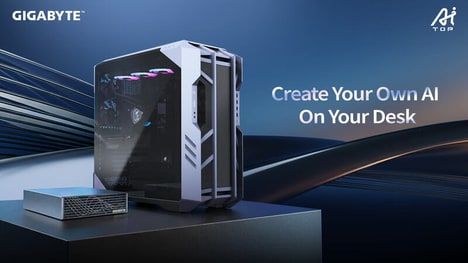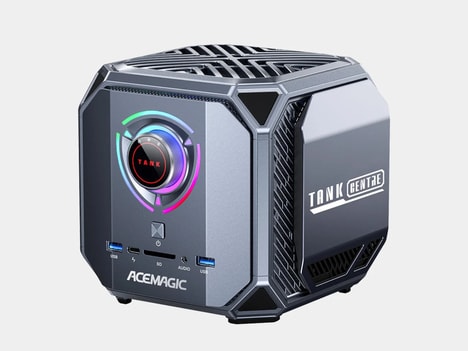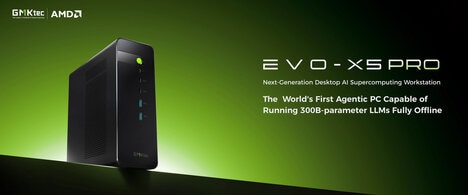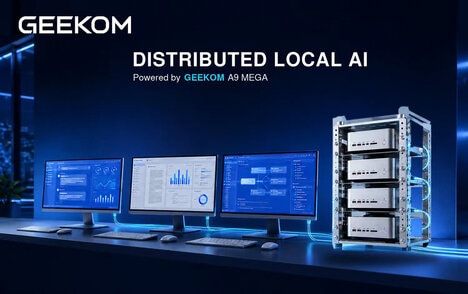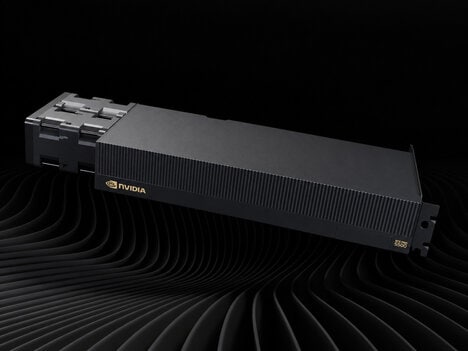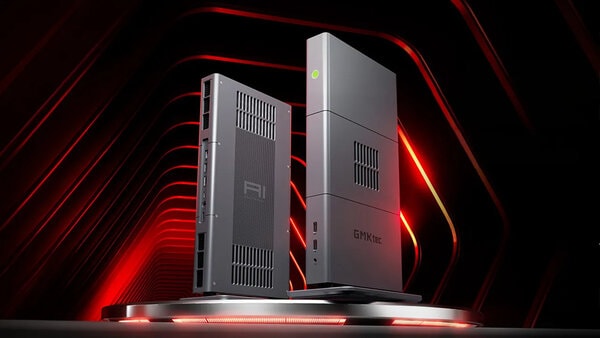
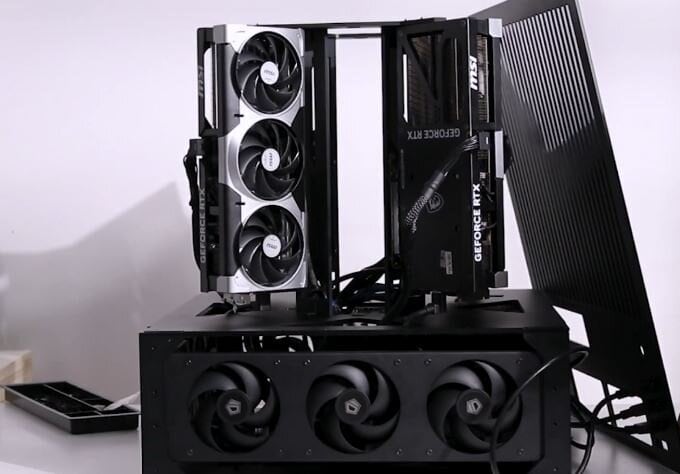
Autonomous Computer built the Autonomous Computer 4 around four RTX 5090 graphics cards so people running top AI models locally can keep that work on their own machine instead of paying per token to a remote service. Depending on the build, it can be configured with up to 384GB of memory for larger agent workloads.
A CNC-machined aluminum body helps move heat away from the hardware, and the 66-pound enclosure frames the machine more like a compact server than a desktop. That physical build supports the kind of always-on, high-load work local agent systems demand.
Four RTX 5090 cards turn local model work into a buy-once hardware decision for teams that want to avoid ongoing token spending. That widens the appeal of self-hosted AI setups for developers who need heavy compute in one box rather than rented capacity.
Image Credit: Gadgetify
Key Themes Behind This Trend
- Token-free AI Infrastructure
- Local high-performance systems shift AI costs from recurring usage fees to capital equipment, creating space for ownership-based compute models in enterprise workflows.
- Self-hosted Agent Computing
- Always-on local machines with expanded memory support larger autonomous workloads while reducing dependence on remote AI platforms and external data routing.
- Compact Server Desktops
- Workstation-class enclosures with advanced thermal design blur the line between desktops and servers, enabling powerful AI deployment in smaller professional environments.
Where This Applies
- Artificial Intelligence
- On-premise AI hardware expands the market for private model execution, especially where cost predictability, latency, and data control are strategic priorities.
- Computer Hardware
- Multi-GPU personal systems create new premium categories for builders combining consumer accessibility with data-center-style performance and cooling.
- Enterprise Software
- Local compute availability reshapes how agentic applications are packaged, priced, and integrated into secure business operations.