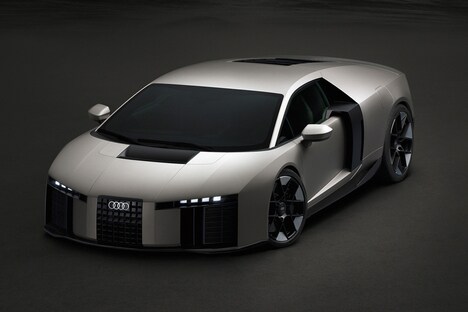
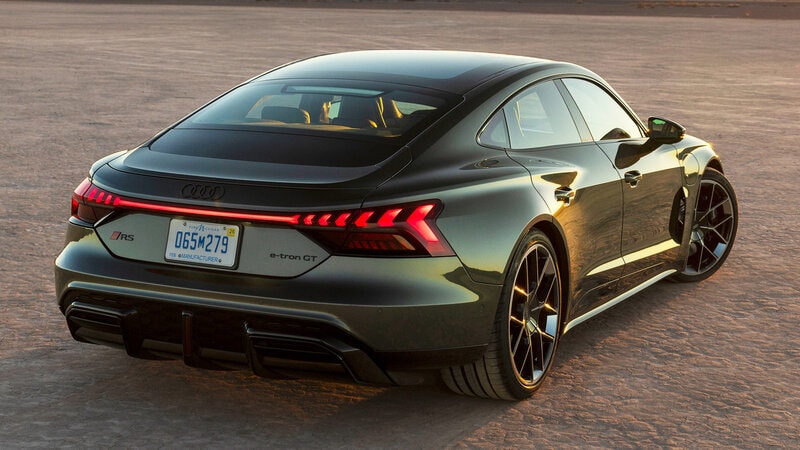
Audi is exploring future electric cars that trade some hush for drama, aimed at driving enthusiasts who miss a more mechanical feel. A Germany-filed patent describes EV cabins with a link between the powertrain and interior that sends vibrations inside and works with added sound.
Audi also sketches synthetic turbo lag, delaying response on purpose so an EV mimics the buildup drivers know from gas performance cars. That shift favors sensation over outright smoothness, turning software into part of the driving theater.
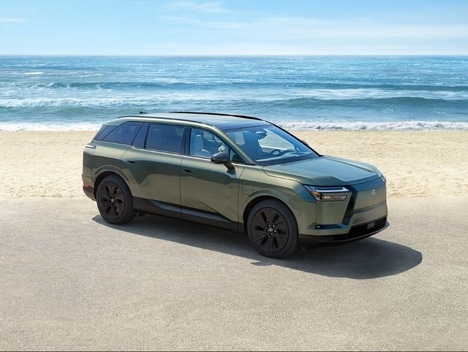
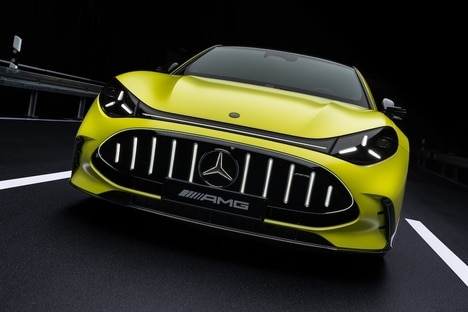
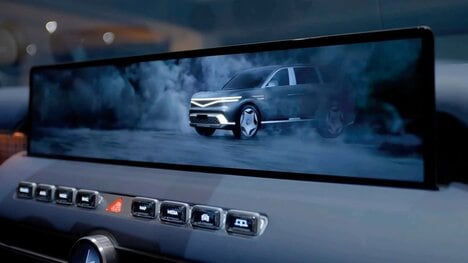
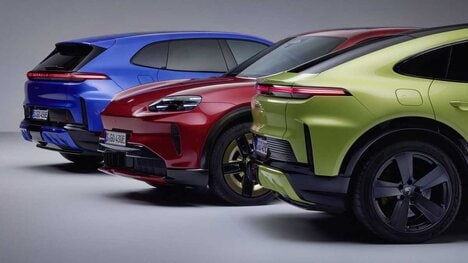
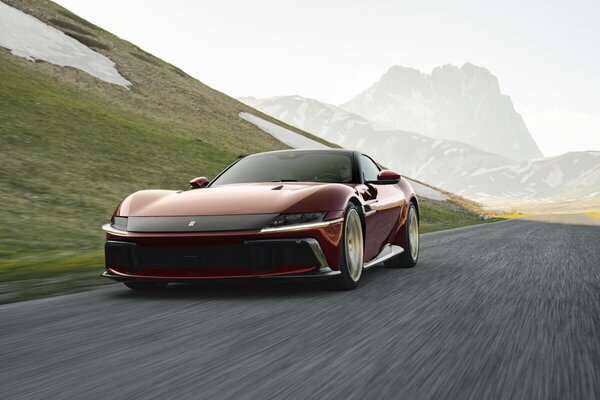
A Germany-filed patent centered on cabin vibrations and synthetic turbo lag moves Audi deeper into the thrill-first EV lane already explored by Hyundai, Ferrari, Porsche, and Mercedes-AMG. If any of it reaches production, it widens the market for electric cars beyond quiet commuting by chasing drivers who want multisensation, not just speed.
Image Credit: Carscoops
Key Themes Behind This Trend
- Simulated Performance Feedback
- Software-generated vibration, sound, and delayed response create new differentiation for EVs by making digital sensations feel emotionally mechanical.
- Emotion-led EV Design
- Driving pleasure becomes a premium feature as automakers use sensory engineering to appeal to enthusiasts beyond efficiency and acceleration metrics.
- Configurable Driving Theater
- Personalized cabin drama introduces opportunities for subscription-based drive modes, branded sound profiles, and adaptive performance experiences.
Where This Applies
- Electric Vehicles
- EV makers can expand beyond quiet refinement by embedding theatrical feedback systems that recreate combustion-era excitement.
- Automotive Software
- Control algorithms and sensory interfaces gain strategic value as vehicle character shifts from hardware limitations to programmable experiences.
- In-cabin Audio
- Advanced sound design and haptic integration position cabin technology as a central layer of performance branding and driver immersion.