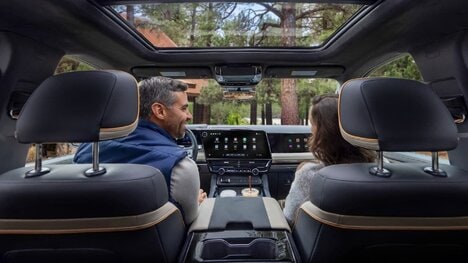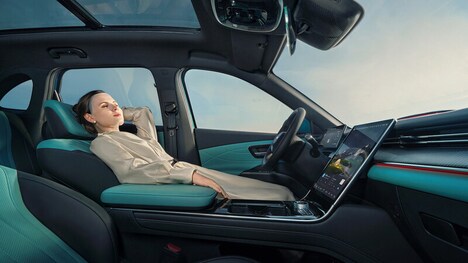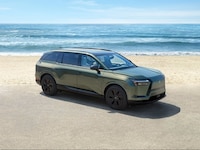
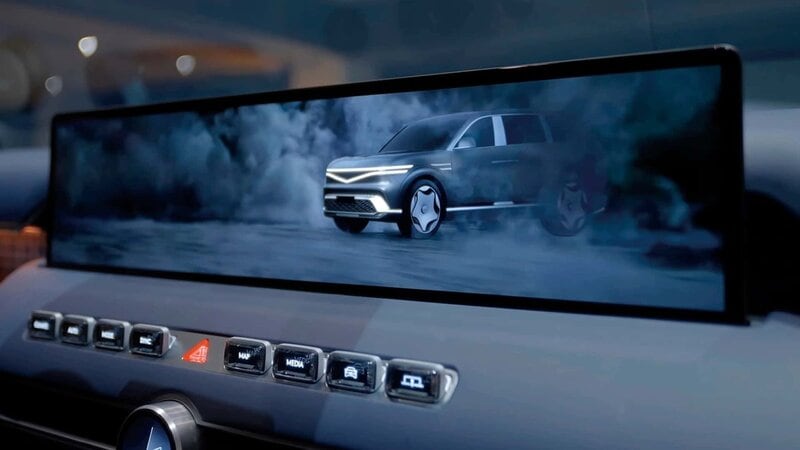
Genesis built the 'GV90' with a dashboard display that rises after parking, giving front-seat occupants a larger surface for movies and streaming during downtime. The vehicle keeps the screen lower while moving, then shifts to a lounge-style setup when the car stops.
When parked, the display rises 3.5 inches, revealing about 70% more viewable area, so a charging break can feel more like a quick watch session. Genesis also tied the mechanism to the structure behind the dash to limit shake, and the screen stays out of the front passenger airbag path.
For shoppers, this means the GV90 offers a clearer reason to use its cabin when the vehicle is standing still, especially during charging stops. Luxury EV buyers may start expecting parked-car entertainment to feel purpose-built rather than just bolted onto an already large display.
Image Credit: Genesis
Key Themes Behind This Trend
- Parked-car Cinemas
- Stationary vehicle moments are becoming media-rich environments where expanding displays, premium audio, and streaming integrations reshape cabins into short-form entertainment lounges.
- Adaptive Dashboard Interfaces
- Mechanized screens that change size or position based on driving state create room for differentiated user experiences while preserving safety and visibility on the road.
- Charging-stop Leisure
- EV charging dwell time is evolving into a consumer touchpoint for comfort, content, and services as automakers reframe waiting periods as premium downtime.
Where This Applies
- Automotive
- Luxury automakers can differentiate EV cabins through purpose-built parked modes that merge safety engineering with elevated digital experiences.
- In-car Entertainment
- Streaming platforms, gaming services, and content providers gain new relevance as vehicles become controlled viewing spaces during parked intervals.
- Electric Vehicle Charging
- Charging networks can support longer engagement windows through partnerships that pair energy stops with entertainment, retail, and hospitality-style amenities.