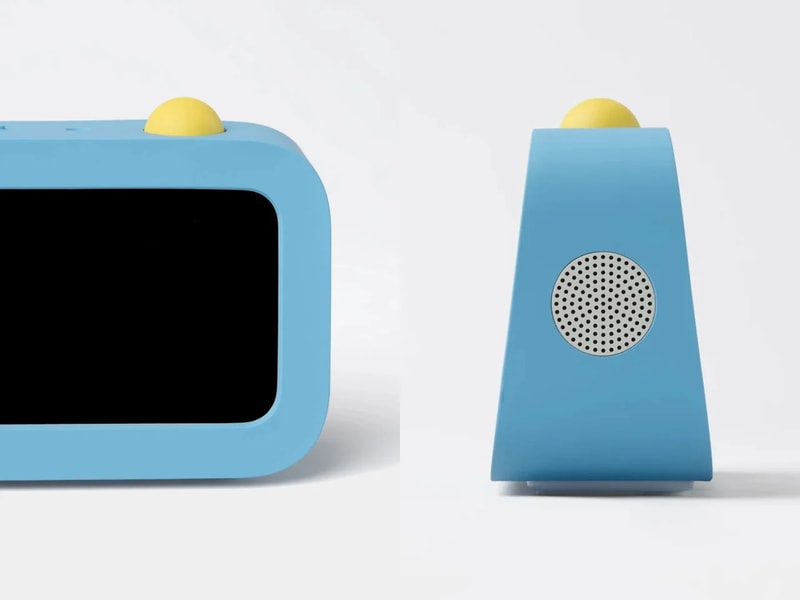
The Skylight Buddy is a bedside routine device developed by Skylight to help children aged four to 10 complete daily activities through guided visual prompts. The touchscreen device combines a speaker, built-in nightlight and physical action button while excluding internet access, downloadable apps, a camera and a microphone. Children progress through morning, after-school and bedtime routines one task at a time, confirming completion by pressing the top-mounted button to earn stars and move to the next activity.
The device also functions as an alarm clock, sound machine and OK-to-wake light, reducing the need for multiple bedside products. Soft silicone cases are available in blue, sage and lavender, with a bright yellow action button designed to remain highly visible across every colourway. The device operates independently with its core routine and chore features.
Image Credit: Ievel Design
Key Themes Behind This Trend
- Screen-limited Kids Tech
- Purpose-built devices with restricted connectivity create space for child-friendly digital routines that reduce parental concerns around privacy, distraction and unsafe content.
- Gamified Daily Habits
- Star rewards, visual prompts and tactile confirmations turn chores and self-care into structured experiences that make behavioral consistency more engaging for children.
- Multi-function Bedside Devices
- Combining alarms, nightlights, sound machines and routine guidance into one object signals demand for simplified family products that replace cluttered single-use electronics.
Where This Applies
- Child Development
- Routine-support tools reflect growing interest in products that help children build independence, executive function and responsibility through age-appropriate guidance.
- Consumer Electronics
- Privacy-first hardware for families introduces a differentiated category of connected-looking devices that intentionally exclude cameras, microphones and app ecosystems.
- Home Organization
- Consolidated routine systems support households seeking calmer mornings and bedtimes by embedding task management into familiar physical environments.