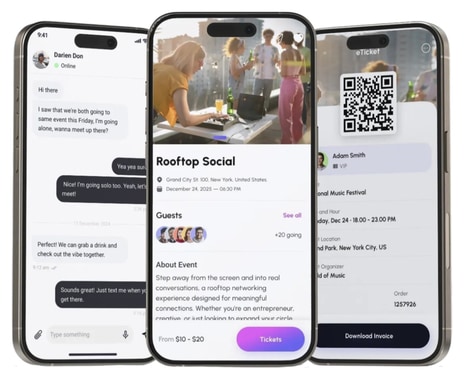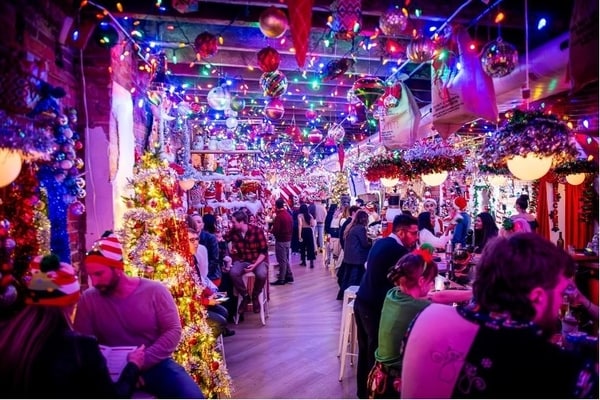
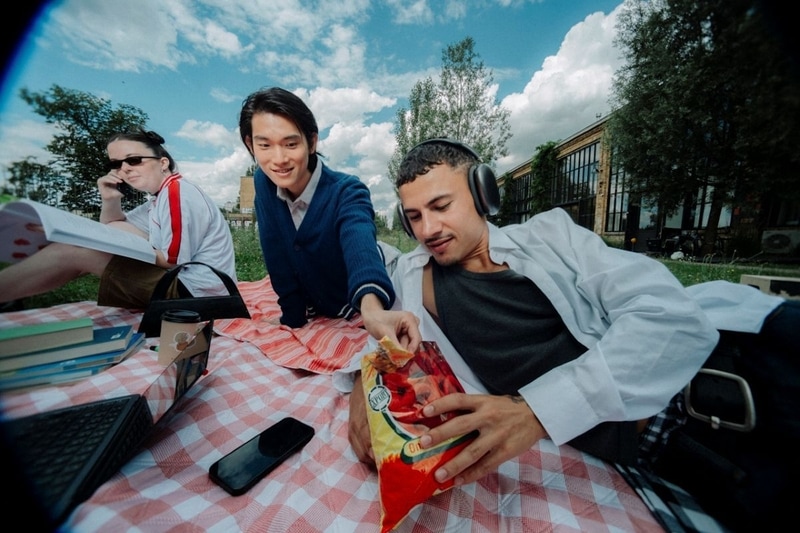
Eventbrite's 'The Offline Summer' initiative highlights a growing interest in community-centered, in-person experiences as consumers increasingly seek opportunities to disconnect from screens and engage with others in physical spaces. The initiative identifies rising participation in "outdoor social gatherings such as block parties, picnics, potlucks, neighborhood celebrations, and casual community events, reflecting a broader shift toward local connection and shared experiences."
Inspired by the social dynamics of the pre-digital era, The Offline Summer focuses on spontaneous interaction, community participation, and analog leisure activities. While digital platforms continue to facilitate event discovery and organization, the focus of these gatherings is on face-to-face engagement and relationship building. Eventbrite reports that "more than 600,000 people attended block parties in the United States during the previous year, signaling sustained demand for accessible, community-oriented events."
Overall, The Offline Summer reflects a broader cultural movement toward balancing digital connectivity with real-world interaction, as consumers prioritize belonging and social well-being within their local communities.
Image Credit: Eventbrite
What Makes This Trend Stand Out
- Offline Socializing
- Screen-free gatherings create space for brands and venues to support renewed demand for face-to-face connection, analog entertainment, and locally rooted community rituals.
- Neighborhood Micro-events
- Small-scale block parties, picnics, and potlucks signal potential for hyperlocal platforms, sponsors, and service providers to build value around accessible shared experiences.
- Analog Leisure Revival
- Pre-digital activities are gaining cultural relevance as consumers seek low-pressure recreation that blends nostalgia, wellness, and spontaneous social interaction.
Sectors Adopting This
- Event Planning
- Community-centered formats expand the role of event organizers from large-ticket productions to recurring neighborhood experiences designed around belonging and casual participation.
- Hospitality
- Restaurants, cafés, parks, and shared venues are positioned to benefit from social occasions that prioritize physical presence, outdoor settings, and informal group connection.
- Consumer Technology
- Digital tools retain relevance as discovery and coordination layers while differentiation shifts toward enabling real-world engagement rather than maximizing screen-based attention.