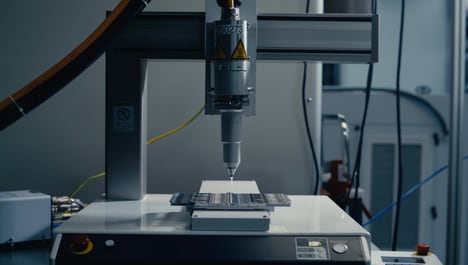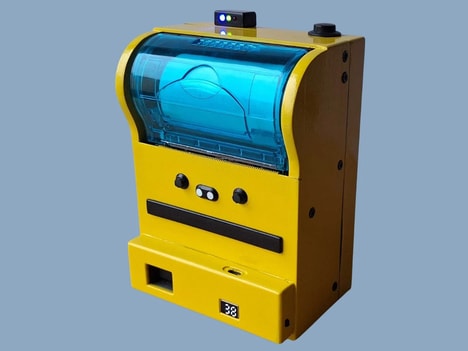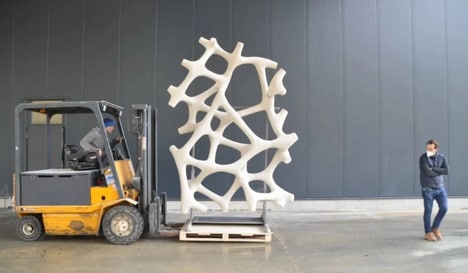
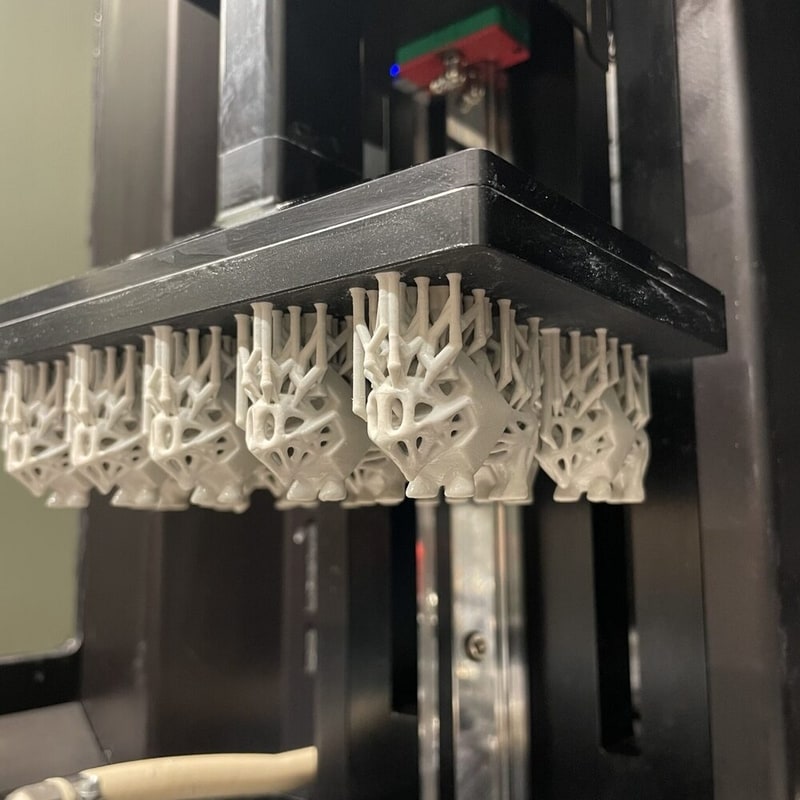
Tethon 3D is advancing additive manufacturing capabilities through its acquisition of Fortify’s materials portfolio, enabling the development of high-performance ceramic components for RF, microwave, and mmWave applications. These materials support the precise fabrication of antennas, radomes, and wireless communication systems, offering faster iteration, lightweight structures, and improved performance compared to traditional manufacturing methods. By leveraging 3D printing, companies can design more complex and optimized components tailored to specific operational needs.
This development reflects a growing demand for advanced materials that enhance communication reliability across industries such as defense, aerospace, and telecommunications. It allows organizations to accelerate production cycles while reducing costs associated with prototyping and customization. As RF performance becomes increasingly critical in applications like drone systems and next-generation networks, solutions like these may reshape supply chains and create new opportunities for specialized manufacturing and materials providers.ion.
Image Credit: Tethon 3D/Fortify
Key Themes Behind This Trend
- Additive Manufacturing for RF
- The convergence of 3D printing and RF engineering enables creation of complex, lightweight antenna and radome geometries that outperform conventionally manufactured counterparts.
- High-performance Ceramic Materials
- Advances in ceramic feedstocks tailored for microwave and mmWave frequencies open possibilities for components with superior thermal stability and electromagnetic properties.
- Customized Antenna Topologies
- Design freedom from additive processes permits bespoke antenna shapes and integrated multi-function structures that optimize performance for specific operational environments.
Where This Applies
- Defense and Aerospace
- Military and space platforms stand to benefit from lightweight, high-performance RF components that reduce payload and improve signal reliability under extreme conditions.
- Telecommunications
- Next-generation network deployments could leverage rapidly prototyped, frequency-optimized antennas to accelerate site rollout and densification strategies.
- Manufacturing and Materials Suppliers
- Specialized material portfolios and localized additive services may redefine supply chains by enabling on-demand production of certified RF components for niche applications.