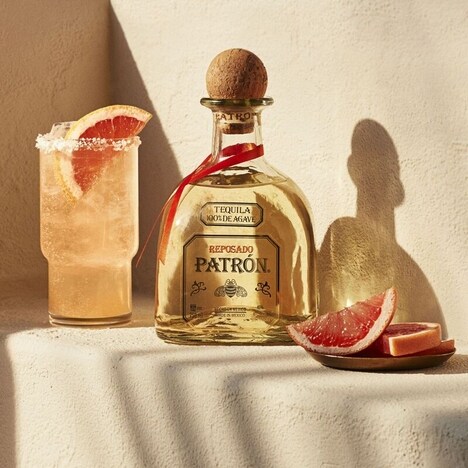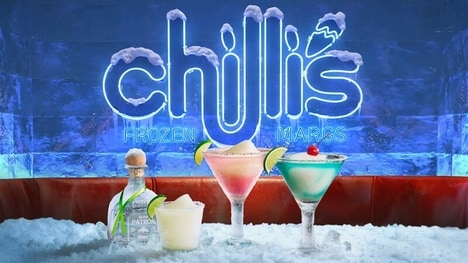
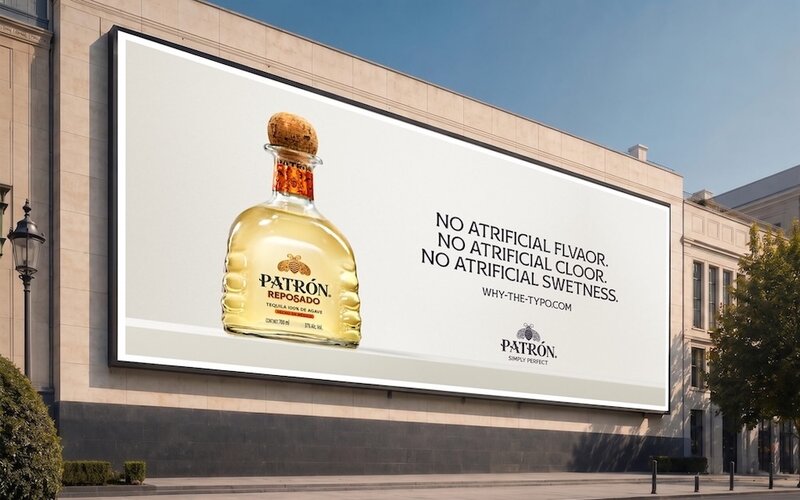
Under Mexican regulations, tequila producers are legally allowed to include up to 1% of the weight of the product in specific additives without disclosing them anywhere on the bottle label, and the newest Patrón Tequila billboards call attention to this. "Most people would never guess that their tequila might contain glycerin, oak extract, sugar-based syrup, or caramel coloring," said Roberto Ramirez-Laverde, Global Senior Vice President, Patrón Tequila. "At Patrón, we have used the same three ingredients since 1989–100% Weber Blue Agave, water, and yeast–and we believe people deserve to know what is in their glass."
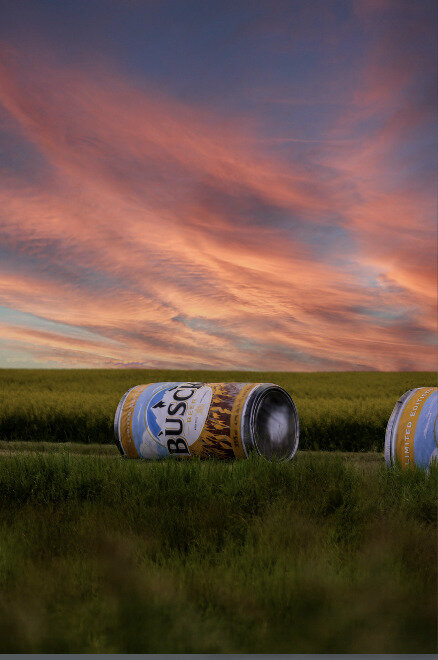
Patrón's latest billboards in major United States cities call attention to ingredient transparency with misspelled messaging that cleverly shows what the spirit is made of, and what it's not, like "atrificial flvaor” and “atrificial swetness."
What's Driving This Trend
- Typo-driven Advertising
- Deliberate misspellings are becoming a memorable creative device for brands to spark scrutiny around hidden product attributes and regulatory loopholes.
- Ingredient Transparency Positioning
- Premium beverage makers can differentiate through simplified ingredient claims that transform production purity into a visible trust signal.
- Regulation-aware Marketing
- Consumer-facing campaigns that interpret overlooked labeling rules create space for brands to compete on disclosure before mandates change.
Who This Affects Most
- Alcoholic Beverages
- Tequila and spirits brands face growing pressure to clarify additives, creating room for premium products built around clean-label authenticity.
- Outdoor Advertising
- Billboard media gains renewed relevance when simple visual disruptions turn public spaces into conversation starters about product transparency.
- Consumer Packaged Goods
- Packaged brands across food and drink can use transparency gaps as a basis for sharper positioning around minimal ingredients and consumer trust.