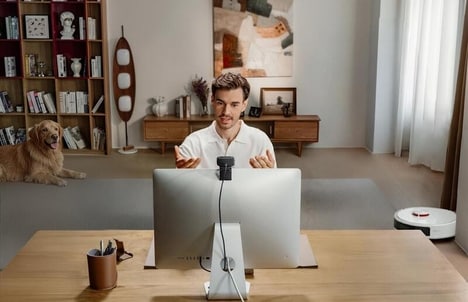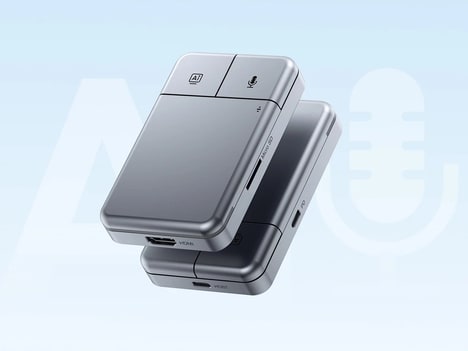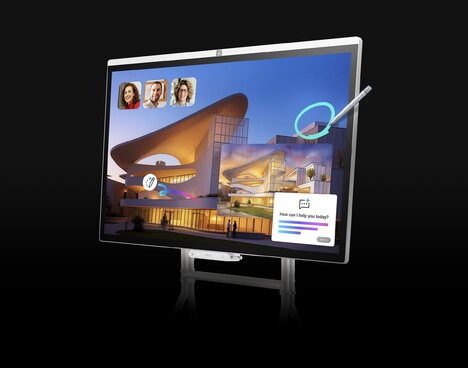

Huawei is enhancing immersive telepresence systems by combining AI-powered panoramic video, spatial audio and adaptable displays to make remote meetings feel more lifelike. Unveiled at HUAWEI CONNECT 2026, the system uses the CloudLink Camera 610 to create seamless panoramic imagery and represent participants at a 1:1 scale. AI-based noise separation works with omnidirectional sound pickup and multi-channel speakers to improve voice clarity and sound localization. Modular IdeaPresence displays and automated standing and sitting modes further adapt the experience to different meeting environments.
The system addresses demand for richer collaboration as organizations continue connecting employees and partners across locations. By integrating cameras, audio, displays, room management and security features into one environment, Huawei can reduce the complexity of building premium meeting spaces. Its open SDK ecosystem also allows technology partners to develop specialized applications for corporate meetings, education and other collaborative settings.
Image Credit: HUAWEI
What Makes This Trend Stand Out
- Lifelike Remote Collaboration
- AI-enhanced video, spatial audio and life-size participant rendering create openings for meeting platforms that approximate in-person presence across distributed teams.
- Adaptive Meeting Environments
- Modular displays and automated room modes point to workplaces where collaboration spaces dynamically adjust to participant behavior, room layouts and meeting formats.
- Integrated Telepresence Ecosystems
- Unified cameras, audio, displays, security and SDK access signal potential for interoperable collaboration hubs that support specialized enterprise and education applications.
Sectors Adopting This
- Enterprise Communications
- Premium telepresence systems reshape the market for corporate collaboration tools by blending conferencing, room management and AI-based experience optimization.
- Workplace Technology
- Smart meeting infrastructure expands opportunities for office environments that combine adaptive hardware, intelligent automation and seamless hybrid work support.
- Education Technology
- Immersive audiovisual systems introduce new possibilities for remote classrooms, expert lectures and collaborative learning environments with stronger presence and clarity.