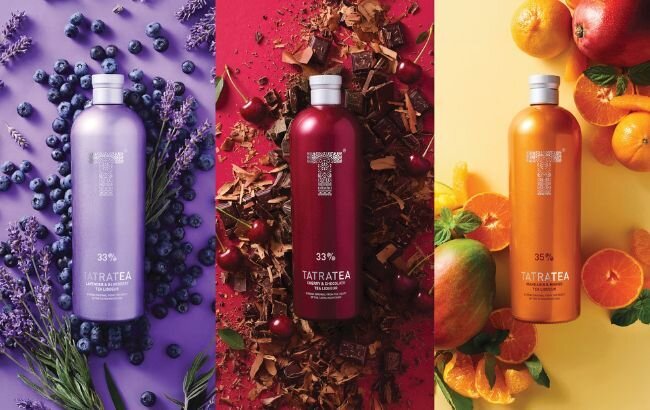
Tatratea is expanding its tea-based liqueur line with three bottles meant to work neat or in quick mixed drinks. The Slovak brand uses the additions to show a wider mood, moving from sweeter after-dinner pours to brighter options that slide easily into simple serves.
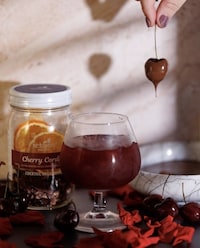
Cherry & Chocolate stands out because it grew from an April Fool's idea into a real 33% ABV expression, giving fans a richer pour that can move from digestif duty to an easy ginger-and-lime highball. Mandarin & Mango lands at 35% ABV and pushes the range toward citrus-led serves while keeping tea notes in the finish. Together, those two ends make the range feel more like a flexible back-bar pick than a one-note novelty.
The brand now offers clearer entry points by occasion, whether someone wants a dessert-leaning sipper or a fresher mixer. Tea liqueur reads less like a niche bottle for special moments and more like a practical staple for home bars.
Image Credit: Tatratea
What Makes This Trend Stand Out
- Tea-based Spirits
- Tea-infused liqueurs create room for distinctive flavor systems that bridge familiar cocktail formats with more layered botanical profiles.
- Occasion-led Liqueurs
- Clear positioning around dessert, aperitif, and easy-mix moments gives brands new ways to simplify choice while expanding usage frequency.
- Novelty-to-staple Flavors
- Playful limited-concept flavors can evolve into permanent products when they satisfy both fan curiosity and practical home-bar versatility.
Sectors Adopting This
- Alcoholic Beverages
- Premium liqueur producers are finding growth in hybrid formats that combine heritage ingredients with approachable serving rituals.
- Home Bartending
- Simplified cocktail building supports demand for bottles that perform across neat serves, highballs, and low-effort mixed drinks.
- Specialty Tea
- Tea brands and ingredient suppliers have an opening to extend sensory credibility into adult beverages through aroma, tannin, and finish innovation.