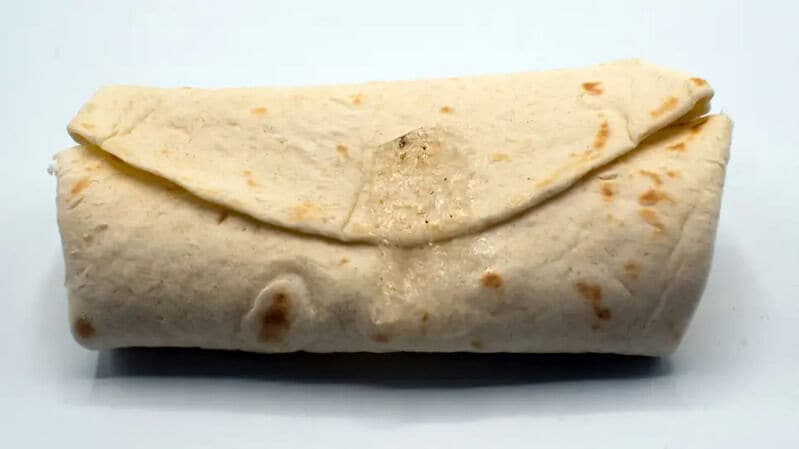
Student researchers at the Johns Hopkins University created an edible adhesive named 'Tastee Tape.' This adhesive requires only water to activate, and once active, holds quite strongly to what it is attached to.
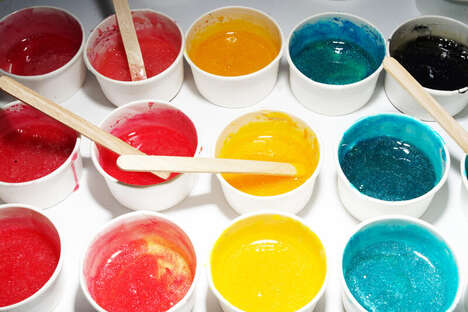
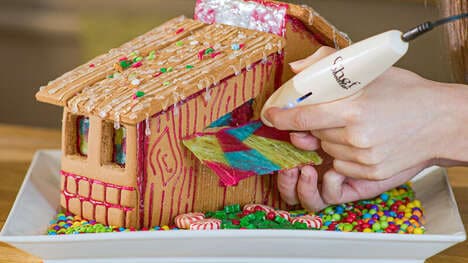
In a demonstration from the university, Tastee Tape was used to secure an overstuffed burrito from loosening and spilling out onto a plate. However, this is not the only use case for the tape. In fact, Tastee Tape is clear by default and can be dyed with food coloring to achieve any color palette. This means the Tastee Tape will have a long list of use cases across artistry baking as well as culinary creations in the kitchen.
The researchers have not yet revealed the ingredients list for Tastee Tape, though they did state that it is comprised only of food-safe ingredients and preservatives that are commonly used in day to day foods.
Image Credit: Johns Hopkins University
Why This Trend Is Growing
- Edible Adhesives
- Edible adhesives offer the possibility for new products that allow for the edible construction of foods.
- Food Coloring Innovation
- The development of food-safe dyes for use with edible adhesives offers possibilities for customization of food appearance without compromising safety.
- Water-activated Adhesives
- The use of water as an activation agent for adhesives could lead to more eco-friendly and health-conscious products.
Industries Being Reshaped
- Food Packaging
- Edible adhesives could revolutionize the food packaging industry by creating packaging that is also edible and eliminates waste.
- Baking and Pastry
- Edible adhesives have applications in baking and pastry as a safer and more versatile alternative to traditional decoration and construction methods.
- Artistic Food Presentation
- Edible adhesives can allow chefs to create more intricate and artistic food presentations by allowing for greater customization and ease of construction.