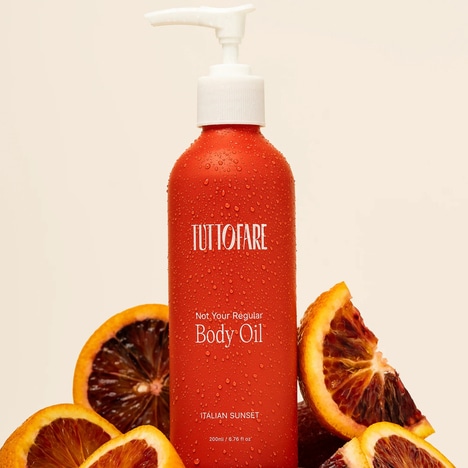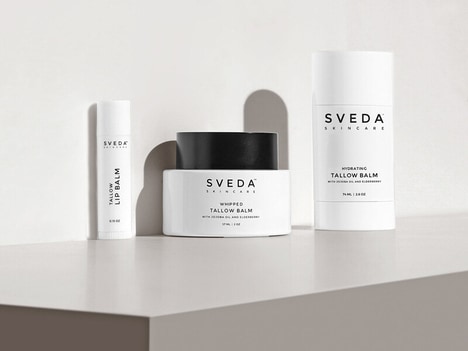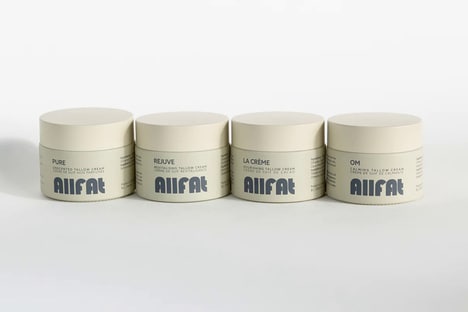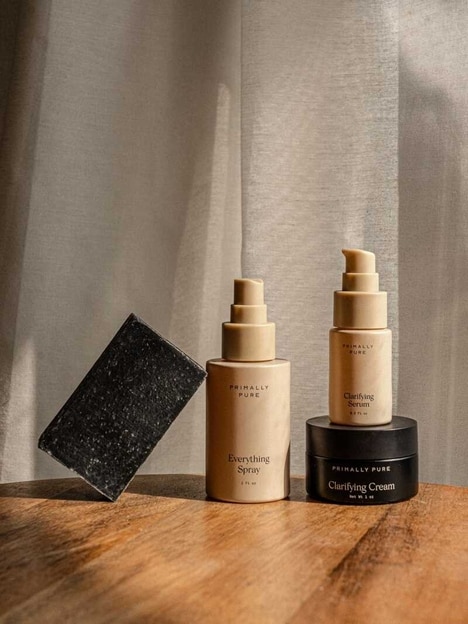
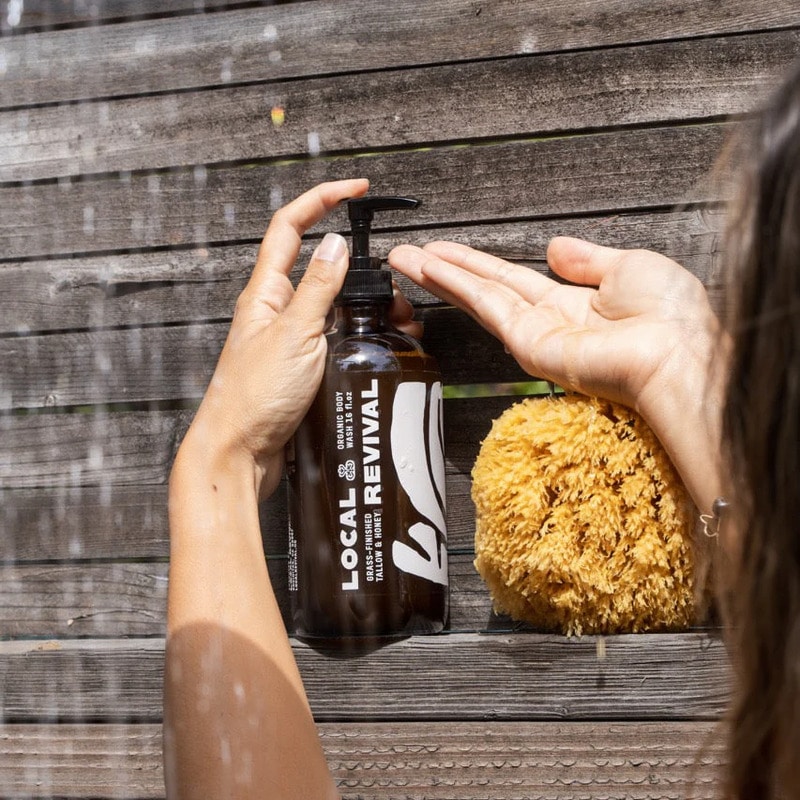
Beef tallow has increased in popularity in the food category but is also making waves in the personal care market as seen with products like the Local Revival Tallow & Honey Body Wash.
The product takes a chemistry experiment-like approach to skincare that incorporates food ingredients to work with the skin rather than stripping it. The body wash starts off with organic grass-fed beef tallow sourced from Wyoming cattle that closely mirrors the body's natural oils to condition during cleansing. The product is rounded out with cold-pressed California olive oil, raw honey from Utah, jojoba oil from Arizona and aloe vera from Texas to source the best-quality regional American ingredients from farms and ranches.
The Local Revival Tallow & Honey Body Wash also has unrefined shea butter and coconut oil for further deep conditioning, while the nine scent options range from invigorating to relaxing.
What's Driving This Trend
- Food-grade Ingredients in Personal Care
- Formulations that repurpose edible fats and pantry staples for topical use create opportunities to blur lines between food safety standards and beauty product innovation.
- Regional Ingredient Sourcing
- A focus on locally sourced oils, honeys and botanicals opens pathways for supply-chain transparency and provenance-driven premiumization in skincare.
- Biomimetic Skincare Oils
- Products that employ fats closely matching human sebum suggest new categories of cleansers that condition while cleansing by emulating the skin’s natural lipid profile.
Who This Affects Most
- Personal Care and Cosmetics
- Skincare brands and formulators could be disrupted by entrants combining food-grade lipids and traditional cosmetic actives to create gentler, multifunctional washes.
- Natural Food Producers
- Artisanal tallow, honey and plant-oil producers may find emerging demand from beauty channels seeking high-quality, traceable ingredients beyond culinary markets.
- Agriculture and Ranching
- Ranchers and regional farmers stand to benefit from diversified revenue streams as livestock-derived and crop-based materials gain value for personal-care applications.