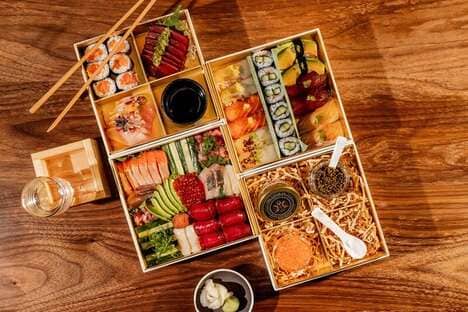
The SushiBOX Restaurant brings Japan's reputation for excellent space efficiency to the downtown core of Austin, Texas.
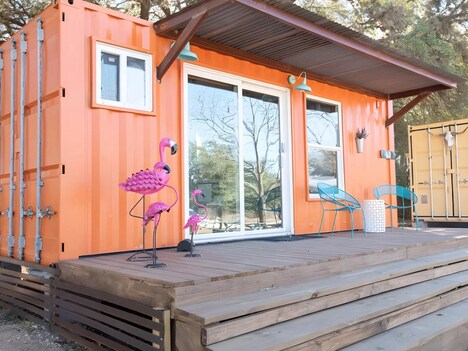
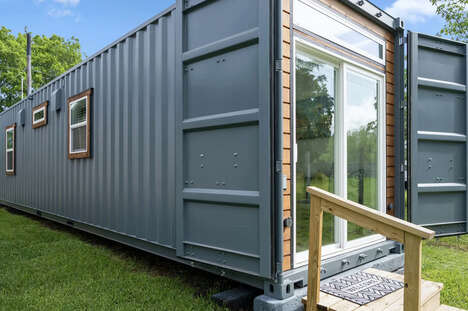
The compact eatery fits snugly inside a 20' shipping container that has three sides, which can unfold to create open awnings. Because it was built on a trailer chassis, the SushiBOX restaurant is also potentially mobile, but for now the remarkable (and insulated!) and efficient establishment has no plans to relocate.
Implications - The SushiBOX Restaurant was able to open up shop without causing any greenhouse gasses because the business chose to recycle. Using a shipping container as a restaurant is not only eco-friendly, but has the ability to attract many people because of its uniqueness.
What's Driving This Trend
- Shipping Container Restaurants
- Using shipping containers as restaurants offers a unique and eco-friendly way for businesses to operate while standing out in crowded markets.
- Space Efficient Eateries
- Designing compact and space efficient restaurants offers opportunities for innovation and cost savings in the food industry.
- Mobile Dining Experiences
- Mobile restaurants built on trailer chassis offer the opportunity to reach new markets and experiment with innovative pop-up dining experiences.
Who This Affects Most
- Food Service Industry
- Compact and eco-friendly restaurants can be a disruptive innovation in the food service industry, appealing to consumers looking for unique dining experiences and environmentally conscious businesses.
- Sustainability Industry
- Using recycled materials such as shipping containers for restaurant construction offers opportunities for businesses in the sustainability industry to create new products and services.
- Mobile Technology Industry
- Building mobile restaurants on trailer chassis offers opportunities for the mobile technology industry to create new products and services for the food industry.