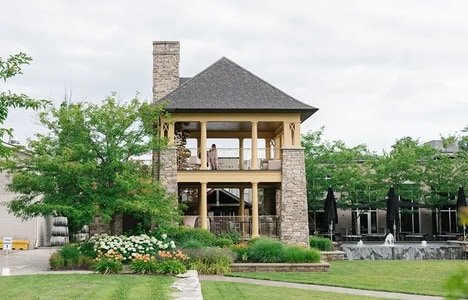
Travelers planing to explore Asia in the near future should take a few days to explore the exotic Sula Vineyards in Nashik, India. This exotic winery just outside of Mumbai offers wine enthusiasts a unique taste into India’s up-and-coming fermented grape culture.
Winery owner Rajeev Samant is an entrepreneur and a forefront figure in expanding India’s wine culture. He started Sula back in 1997 and now offers the public the refreshing taste of his vast locally grown wine products. Sula's roaming grape vineyards and rustic brick buildings offers travelers and locals a fun, relaxing and spontaneous summer getaway retreat to get into the wine making culture. Sula also annually hosts a wine festival, called Sulafest, that promotes and celebrates locally grown Indian wine.
What Makes This Trend Stand Out
- Exotic Wine Tourism
- The rise of exotic wine tourism in non-traditional wine regions presents opportunities for tourism and hospitality industries to offer unique experiences for travelers.
- Local Wine Culture Development
- As local wine culture develops in non-traditional wine regions, there is potential for entrepreneurs to invest in the wine industry and drive economic growth.
- Sustainability in Wine Production
- As the wine industry expands in non-traditional regions, there is an opportunity for sustainable and environmentally-friendly wine production practices to be implemented.
Sectors Adopting This
- Wine Tourism
- The wine tourism industry can capitalize on the growing trend of exotic wineries in non-traditional regions, such as India, to offer unique travel experiences for wine lovers.
- Hospitality
- The hospitality industry can partner with local wineries in non-traditional regions to offer wine-themed getaways and experiences for travelers.
- Wine Production
- As local wine culture develops in non-traditional wine regions, there is potential for entrepreneurs to invest in wine production and drive economic growth in the industry.