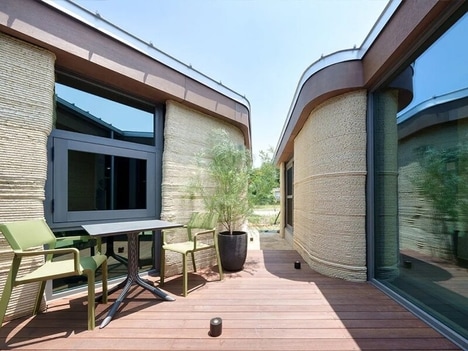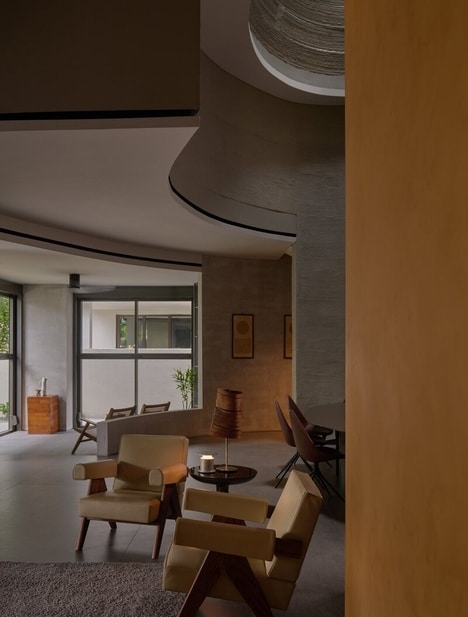


The suburbs of the future might include 3D-printed buildings. This is because constructing such units has proven to be extremely cost-effective, affordable, and even sustainable—when comparing it to other techniques.
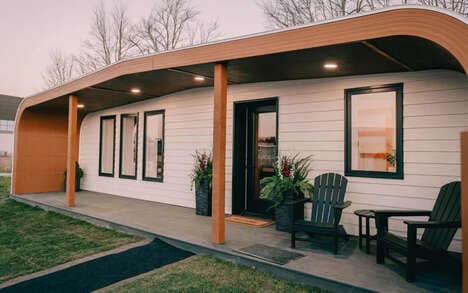
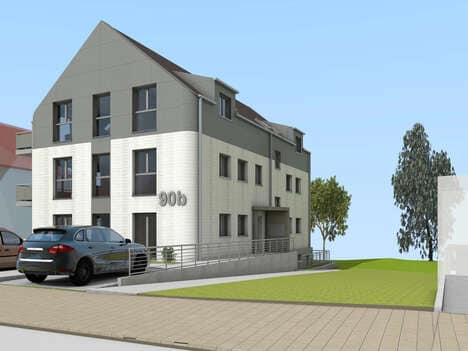
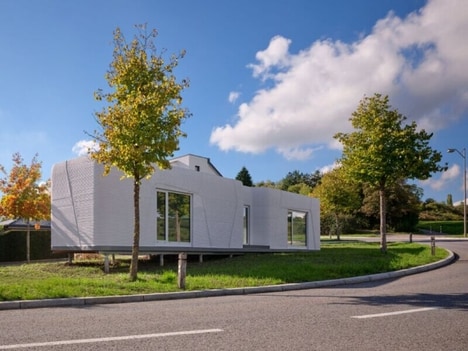
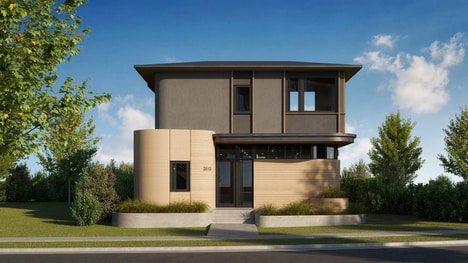
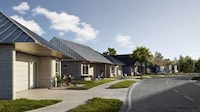
Two companies that are exploring the suburbs of the future are the Culver City-based architecture firm EYRC and the Oakland-based automated home manufacturer Mighty Buildings. To make the case for 3D buildings, the latter "asserts that its homes are twice as fast to build, 99 percent less waste-generating, far more precisely-crafted, and (thanks to its stone-like composite) four times stronger than conventional residences." The collaboration between EYRC and Mighty Buildings is called Mighty Quatro and while only one building has been built so far, almost two dozen are to follow.
Image Credit: Paul Vu/courtesy EYRC Architects/Mighty Buildings
Key Themes Behind This Trend
- 3d-printed Buildings
- The implementation of 3D-printed buildings shows disruptive innovation opportunities for construction techniques, waste reduction, and cost-effectiveness.
- Automated Home Manufacturing
- Automated home manufacturing presents disruptive innovation opportunities for construction efficiency, sustainability and precision in house building.
- Techniques for Sustainable Housing
- Techniques for sustainable housing show disruptive innovation opportunities in the field of architecture to help create affordable housing that also reduces waste and environmental impact.
Where This Applies
- Construction Industry
- The construction industry stands to benefit from the disruptive innovation opportunities presented by 3D-printed buildings and automated home manufacturing.
- Real Estate Industry
- The real estate industry has an opportunity to capitalize on the increasing demand for sustainable housing and adopting new techniques for constructing affordable and environmentally-conscious homes.
- Architecture Industry
- The architecture industry has an opportunity to explore creative ways to use 3D-printed buildings and automated manufacturing to produce buildings that are sustainable, cost-effective, and precise.