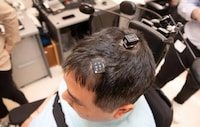


The stentrode (stent-based electrode) is a new implant that could give paralyzed people greater mobility. While there is existing research about how brain implants can be used to translate brain activity into movement, these devices require open brain surgery for implantation. Now there is a new device that can perform similar functions without the need for open brain surgery.
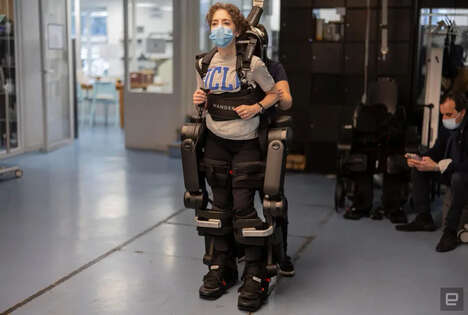
The stentrode is a paper clip-sized implant that sits in a vein next to the brain's motor cortex instead of directly in the brain. The device detects neural activity and then translates this information into a computer language so that it can interface with electronics. This means that those with the implant can control exoskeletons and prosthetic limbs simply by thinking about the act of movement.
While the device is still in the early stages of research, the stentrode will be tested on paraplegic and quadriplegic patients at Australia's Royal Melbourne Hospital as early as 2017.
What Makes This Trend Stand Out
- Brain-computer Interfaces
- The development of the stentrode implant showcases the potential for brain-computer interfaces to enable paralyzed individuals to control external devices.
- Non-invasive Implants
- The stentrode's ability to interface with the brain via a vein rather than requiring open brain surgery highlights the disruptive potential of non-invasive implant technology.
- Thought-controlled Technology
- The stentrode's capability to translate neural activity into computer language paves the way for thought-controlled exoskeletons and prosthetic limbs.
Sectors Adopting This
- Healthcare Technology
- The stentrode implant represents a breakthrough in healthcare technology by offering new possibilities for mobility and independence for individuals with paralysis.
- Biomedical Engineering
- The development of non-invasive implantable devices like the stentrode presents disruptive innovation opportunities in the field of biomedical engineering.
- Rehabilitation Industry
- The application of thought-controlled exoskeletons and prosthetic limbs driven by the stentrode implant has the potential to revolutionize the rehabilitation industry.