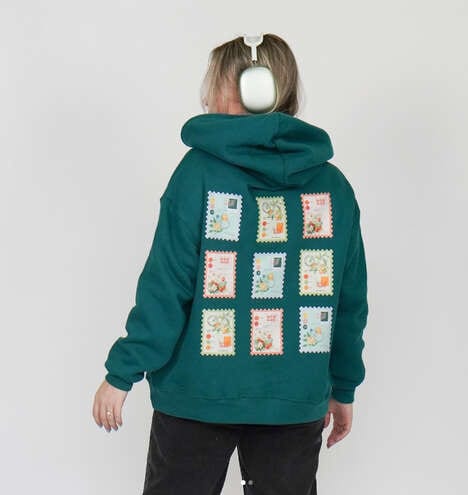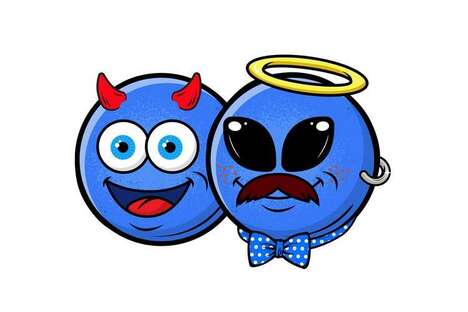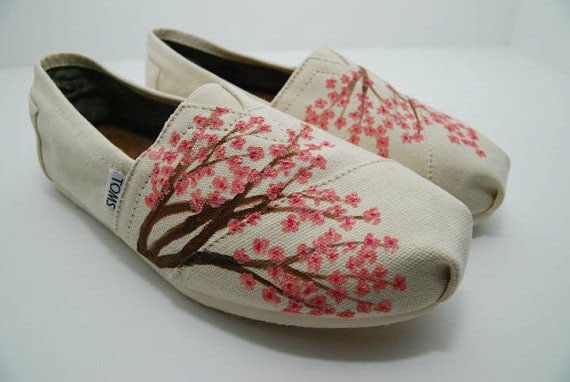
Squiggly Apparel for-cause fashion line supporting research of and creating awareness around testicular cancer, a cause the brand's founders felt was too often over looked. The Florida-based social enterprise donates a portion of the profits from its men and women's apparel and accessories to testicular cancer research, while they also hope to generate a conversation about the cause.
Conceived in 2012 and armed with its "support the boys" motto, Squiggly Apparel is currently partnered with Besties with Testies, a movement that has a view to having zero deaths from testicular cancer.
In addition to men's and women's tees and polos, the current line includes socks, neck ties and underwear.
Contact Information
Squiggly Apparel website
Squiggly Apparel on Facebook
Squiggly Apparel on Twitter
What's Driving This Trend
- Cause-driven Fashion
- Businesses can capitalize on consumers' desire to support causes by creating fashion lines that donate to charity or raise awareness.
- Socially Responsible Apparel
- Companies can take a more active role in social issues and show their commitment to giving back through philanthropic efforts like Squiggly Apparel.
- Health Awareness Apparel
- Apparel companies can create lines that support health awareness by donating profits to research and incorporating messaging that sparks conversations about the cause in question.
Who This Affects Most
- Fashion Industry
- The fashion industry can benefit from adopting cause-driven initiatives by partnering with organizations or donating a portion of sales to social causes.
- Apparel Industry
- Apparel companies can incorporate social responsibility into their business models by following brands like Squiggly Apparel that support charitable causes.
- Philanthropy Industry
- Philanthropic organizations can benefit from partnering with businesses, such as Squiggly Apparel, that are committed to giving back and raising awareness for important causes.