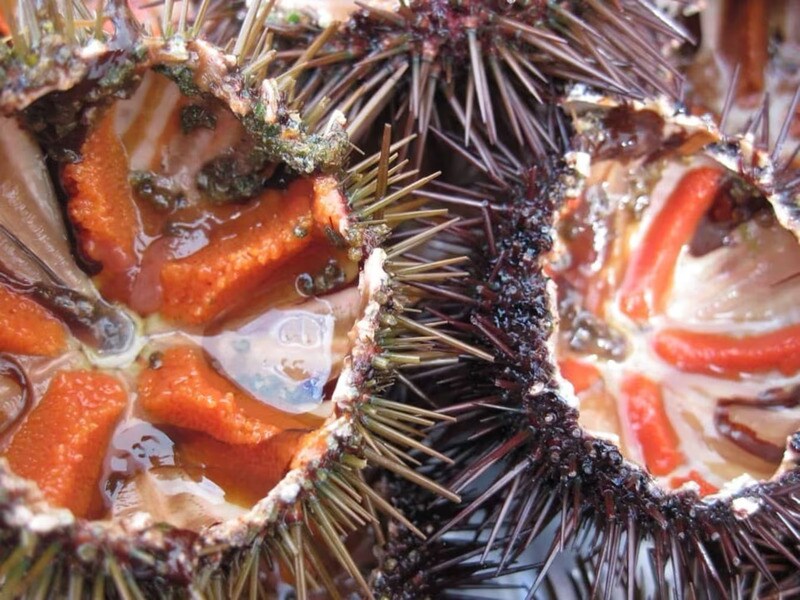
Springtide Seaweed is launching a new line of farmed sea urchin, also known as uni, to provide seafood chefs with a premium-quality product grown in the clean and clear waters of the Gulf of Maine. Unlike traditional wild harvesting, which can be affected by weather conditions or seasonal fishery closures, the new offering ensures consistent year-round availability.
Each urchin is carefully cultivated and monitored throughout its growth cycle, with a specialized feeding program developed to promote high yields of grade-A gonads, which are prized for their rich texture and delicate, balanced flavor. Notably, the farming process is non-extractive, meaning it does not deplete natural populations or damage marine habitats. Instead, it operates under rigorous environmental standards that actively support the health and balance of surrounding ecosystems.
Image Credit: Springtide Seaweed
Key Themes Behind This Trend
- Sustainable Aquaculture Practices
- The shift towards sustainable aquaculture practices, such as the non-extractive farming of sea urchins, supports the preservation of marine ecosystems while meeting consumer demand for premium seafood.
- Year-round Seafood Supply
- Farmed sea urchins offer a reliable, year-round supply of seafood, mitigating the risks associated with seasonal availability and weather-dependent wild catches.
- Gourmet Seafood Market Expansion
- The introduction of high-quality, farmed uni caters to the burgeoning gourmet seafood market, appealing to chefs and culinary enthusiasts seeking premium, eco-friendly ingredients.
Where This Applies
- Aquaculture Industry
- Advancements in aquaculture, exemplified by the farmed sea urchin initiative, highlight opportunities for innovative farming techniques that align with environmental sustainability.
- Gourmet Food and Hospitality Industry
- Premium farmed sea urchins present a unique value proposition for the gourmet food and hospitality industry, enhancing menu offerings with specialized, high-grade ingredients.
- Environmental Conservation Industry
- The integration of environmentally conscious aquaculture operations within the environmental conservation sector underscores a trend towards sustainable food production practices.