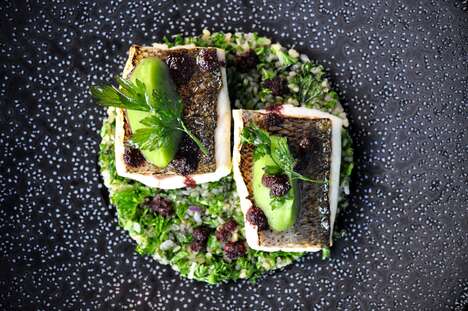
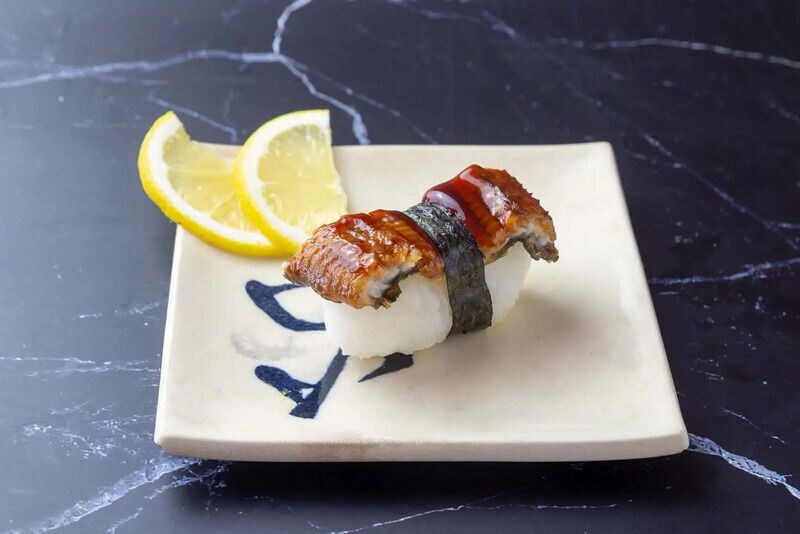
Israel-based food-tech company Forsea Foods uses organoid technology to create cultivated eel and as the start-up says, "the result is sustainably produced, succulent filets of cultured seafood that embody the same taste and textural traits as their ocean-caught counterparts."
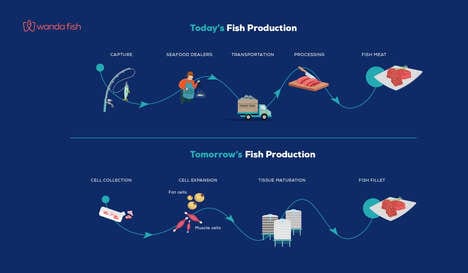
Organoid technology has previously been used for developmental biology, medicine and research purposes and Forsea Foods' cultivated seafood process involves creating an ideal environment for fish cells to form. This way of cultivating seafood is desirable because it's free from pollutants like mercury, as well as industrial chemicals, and microplastics.
From fish balls and fillets to salmon and sushi, innovative food-tech companies are exploring a more sustainable, ethical future for seafood with cultivated seafood processes.
What's Driving This Trend
- Cultivated Seafood
- The use of organoid technology for seafood cultivation is disrupting the fishing industry by providing a more sustainable and ethical alternative to wild-caught fish.
- Sustainable Food
- As consumers demand more sustainable options, food tech companies are developing eco-friendly and ethical alternatives to traditional food production methods.
- Clean Eating
- Cultivated seafood provides an opportunity for health-conscious consumers to enjoy seafood without worrying about pollutants commonly found in wild-caught fish.
Who This Affects Most
- Food Technology
- Companies specializing in food technology are developing sustainable alternatives to traditional food production methods, including the use of organoid technology for seafood cultivation.
- Fishing
- As demand for wild-caught fish declines, the fishing industry has an opportunity to explore and invest in sustainable, ethical alternatives such as cultivated seafood.
- Health and Wellness
- The clean eating movement has created a demand for healthier and more sustainable food options, leading to the development of eco-friendly and ethical alternatives like cultivated seafood.