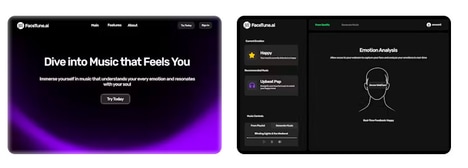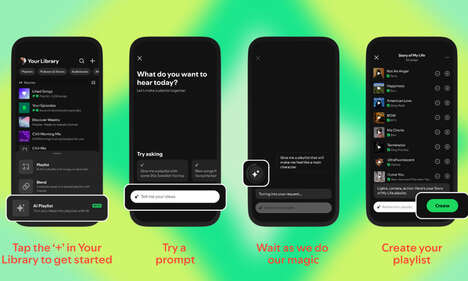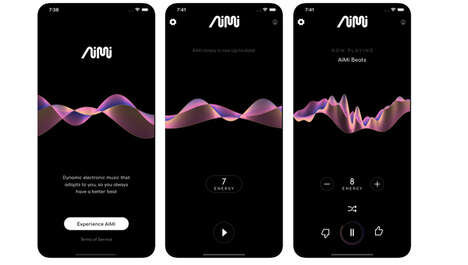
Spotify's new patent will allow the music streaming giant to curate music based on the listener's emotional state. Spotify filed for this patent three years ago, but the news of its approval has just been announced. According to the filing, this will allow for the service to listen for “intonation, stress, rhythm and the likes of units of speech,” essentially figuring out "“emotional state, gender, age or accent". With this information, the service can offer a more personalized approach to curation.
This move speaks to the increasing power of technology, and its premeditative ability that's replacing a reactionary one. While the patent was approved, it is still unclear how, when, or if Spotify plans to implement these changes.
Image Credit: Olly Curtis/Getty Images
What's Driving This Trend
- Emotion-based Music Curation
- Spotify will allow personalized music streaming based on listener's emotional state, creating an opportunity for other companies to create similar emotional technology in music.
- Emotion-sensing Patents
- The approval of Spotify's emotion-detecting music patent highlights the potential for development in other emotion-sensing technologies.
- Personalized Technology
- Spotify's patent exemplifies the increasing trend of personalization in technology, opening up opportunities for startups to join in on this trend across many industries.
Who This Affects Most
- Music Streaming
- Spotify's patent will impact the music streaming industry with potential competition in personalized music curation based on emotion detection.
- Speech Recognition
- The emotional-range recognition technology that is patented could be utilized by other industries such as speech recognition for emotional intelligence input.
- Personalized Advertising
- Spotify's technology could lead to greater opportunities in personalized advertising and marketing based on individual emotional states of consumers.