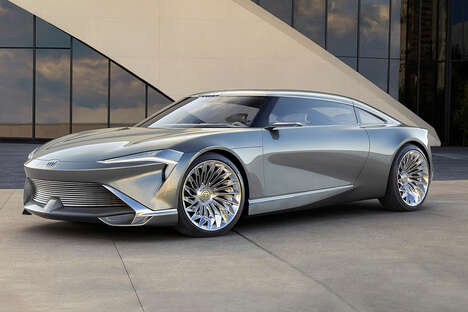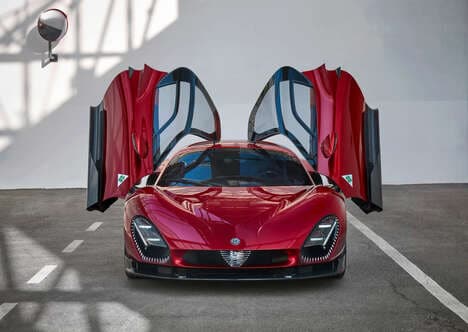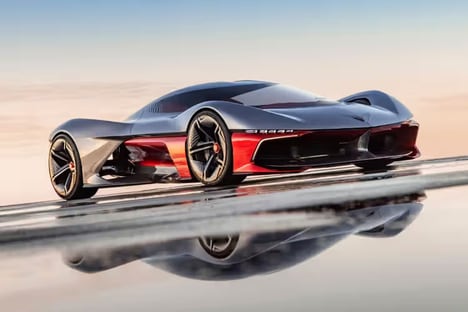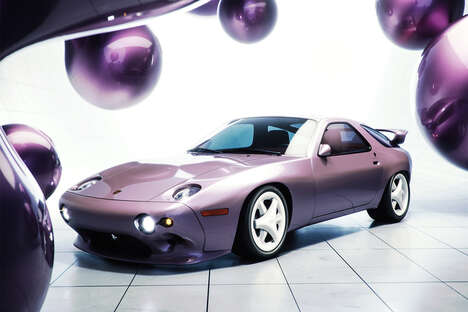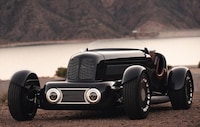
The Duesenburg luxury car brand got off to a bad start in 2005 before seemingly disappearing into oblivion, but the brand is being revived now thanks to the launch of an all-new futuristic sportscar concept.
This car is a futuristic masterpiece although it is clearly inspired by classic American luxury cars of the 1920s and 1930s. The vehicle is constructed around a General Motors chassis, the likes of which has been used for the Chevrolet Tahoe and Silverado. The vehicle will be powered by a 6.2-liter V8 LS3 Corvette engine that is capable of pumping out 430 horsepower and producing 424 pounds-feet of torque.
This sportscar concept is proof of how old-school design cues can be used to inspire modern vehicles that promise high performance attributes.
Why This Trend Is Growing
- Classic-inspired Vehicles
- The resurgence of classic-inspired vehicle designs presents an opportunity for automakers to incorporate antique aesthetics into new products.
- Futuristic Sportscars
- Futuristic sports cars display a profitable opportunity, which would involve enhancing high performance attributes of modern vehicles by adopting a futuristic look.
- Luxury Car Brand Revivals
- The successful relaunch of luxury car brands, such as Duesenburg, provides a promising opportunity for other luxury car auto makers to revive old or forgotten brands.
Industries Being Reshaped
- Automobile
- Developing more classic-inspired and futuristic vehicles or reviving luxury car brands presents an opportunity for car manufacturers to cater to changing consumer preferences.
- Luxury Goods
- Luxury goods makers can tap into the trend of classic and vintage designs to create luxury products that blend antiquity and modernity.
- Retail
- Retailers who specialize in selling luxury cars or automobile accessories could use history and nostalgia to appeal to customers with a taste for antique aesthetics.