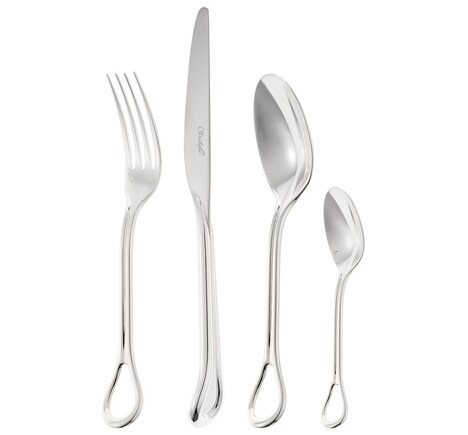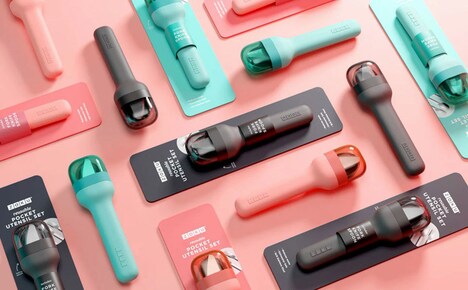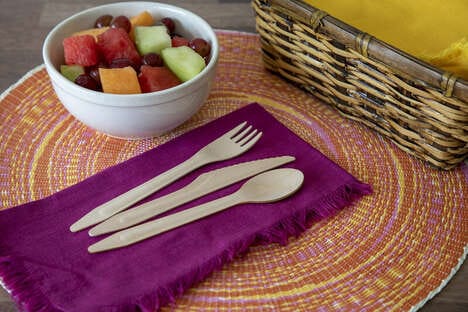
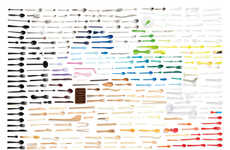
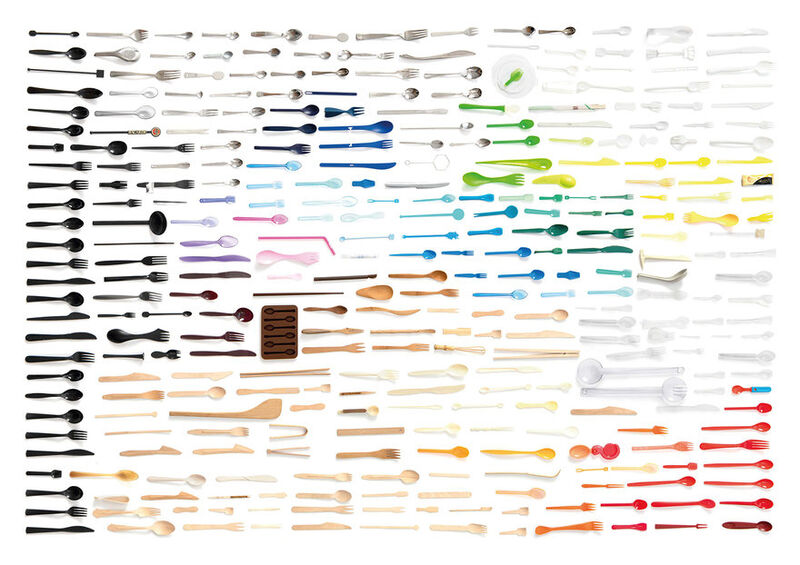
Spoon Archaeology is a collection of disposable cutlery that took 20 years to complete. Industrial designer Peter Eckart, co-founder of German design firm Unit-Design, and Kai Linke, founder of Studio Kai Linke, are the brainpower behind the disposable cutler project.
Both designers hung onto disposable plastic cutlery they encountered over the last 20 years that feature interesting designs. In total, Spoon Archaeology includes roughly 1,400 pieces. The project is a reaction to society's throwaway culture. The objects are staged like archaeological artifacts to showcase this ideology—the goal to inspire viewers to take responsibility and develop perspectives for alternative and non-plastic futures. Viewers can visit the London exhibit to see the collection or visit Spoon Archaeology's Instagram account.
Image Credit: core 77
What's Driving This Trend
- Sustainable Ideology Collectibles
- Creating collectible sustainable goods that promote societal and environmental responsibility showcases effective storytelling and can inspire an audience to make conscious changes.
- Art in Disposable Culture
- Showcasing the beauty and artistic potential of single-use plastic cutlery as objects of art can create a higher perceived value and encourage innovative upcycling solutions.
- Long-term Objets Trouvés
- Collecting and preserving throwaway items over time can create new meaning and value, and encourage reflection on consumption and waste in society.
Who This Affects Most
- Sustainability
- Sustainable product and packaging innovation can create new marketplace opportunities and challenge existing wasteful conventions.
- Art and Design
- Artists and designers can work with available resources and challenge traditional materials to create new objects with artistic, social, and environmental value.
- Museums and Exhibitions
- Creating original and thought-provoking exhibitions around collections of everyday objects can challenge preconceptions and inspire new behaviors and perspectives.