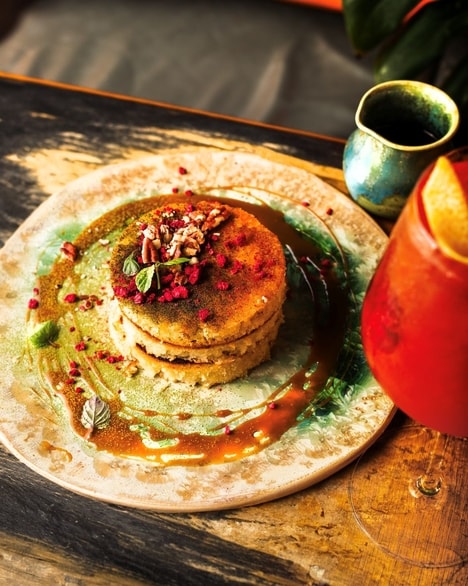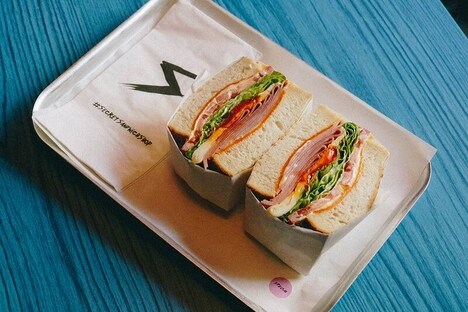
Nakimushi gives diners two ways to eat Japanese food in one townhouse: quick ramen downstairs and a longer meal upstairs. Chris D'Sylva's latest Notting Hill opening puts a £2 million conversion in the hands of chefs Robin Kosuge and Yuji Shimokawa Kelly, who drop sushi and widen the format.
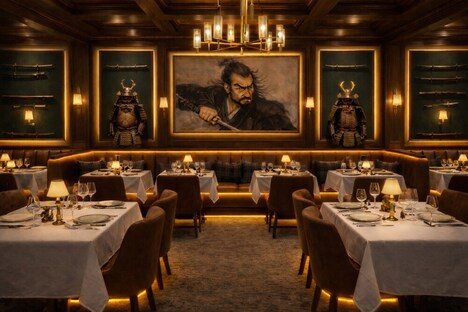
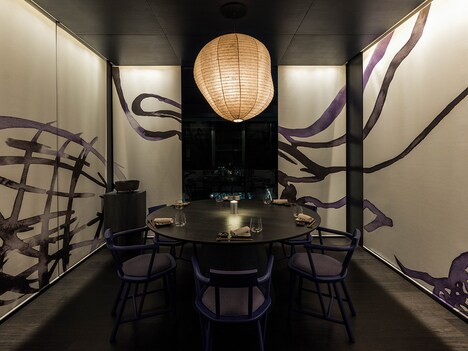
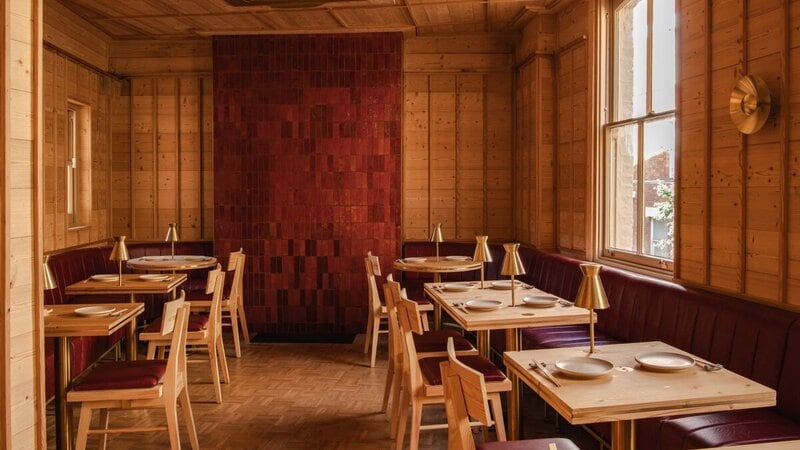
At 7 Kensington Mall in London, the ground floor pairs a robata kitchen with communal seating, while the upper room has 25 seats and a tiled bar. Brushed pine, oxblood accents and movable table lamps warm up the space and steer it away from the icy feel many sushi rooms lean on.
The £2 million split-level build turns one address into two service models, giving D'Sylva a fast ramen room and a slower dining floor without opening another site. In Notting Hill, where he already operates several food businesses, that widens how local diners can use the same restaurant.
Image Credit: Eleonora Boscarelli
What Makes This Trend Stand Out
- Dual-service Dining
- Restaurants that combine fast-casual and full-service formats under one roof create flexible revenue models that serve different dining occasions from a single premium location.
- Townhouse Hospitality Conversions
- High-value residential-style properties are becoming adaptable restaurant venues where layered layouts support distinct atmospheres, service speeds, and customer segments.
- Sushi-free Japanese Concepts
- Japanese dining formats that move beyond sushi highlight ramen, robata, and composed meals as differentiated offerings in markets crowded with conventional omakase and sushi rooms.
Sectors Adopting This
- Restaurants
- Split-level concepts give operators more ways to maximize urban real estate by blending quick turnover areas with higher-margin seated dining experiences.
- Commercial Real Estate
- Converted townhouses present landlords and developers with hospitality-ready assets that can accommodate multiple concepts without requiring separate storefronts.
- Interior Design
- Warm materials, flexible lighting, and residential cues are reshaping Japanese restaurant interiors into more inviting environments that contrast with minimalist luxury dining norms.