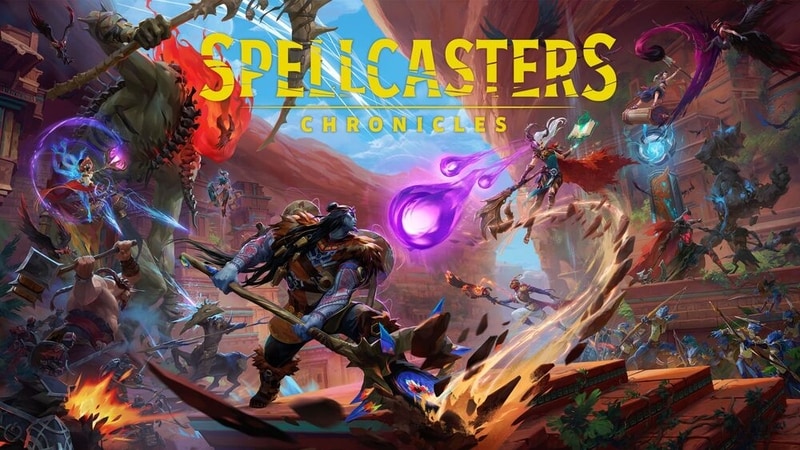
Quantic Dream released Spellcasters Chronicles, its first multiplayer PvP title, through Steam Early Access, featuring a community-driven Workshop phase designed to refine balance, progression and systems with player input. The studio positioned Early Access as an active development stage rather than a closed beta, inviting players to test mechanics and influence priorities.
The announced roadmap outlined upcoming additions including voice chat, Discord integration, expanded customization, a reworked ranked mode, spell‑unlock progression, daily quests and shop updates. Early content drops added new spells (Ice Ray, Poison Breath, Metamorphosis, Holy Arrow), two summons (Siren, Rhino Rider), a Rocket Soldier Factory building and previewed a new arena, Kamazad, plus the Technomancer class.
For players, Early Access promises evolving multiplayer systems and fresh deck‑building options that will change as the community shapes the game, making it a participatory launch model that aligns with trendier live-service development practices.
Image Credit: Quantic Dream SAS
Why This Trend Is Growing
- Community-driven Early Access
- Player input during Early Access is creating dynamic development roadmaps that blur the line between studio and community priorities, enabling iterative products shaped in real time.
- Live-service Participatory Design
- Evolving multiplayer systems and staged content drops are fostering ongoing engagement models that extend monetization windows and make post-launch design a core product differentiator.
- Modular Deck-building Mechanics
- Customizable spell and summon systems are introducing composable gameplay layers that can be monetized, balanced, and expanded independently to sustain long-term player investment.
Industries Being Reshaped
- Game Development
- Studios experimenting with open Early Access and community-guided balancing are redefining production pipelines toward more agile, player-informed roadmaps.
- Cloud Gaming Platforms
- Real-time multiplayer titles with frequent content updates are increasing demand for low-latency, scalable streaming services that support seamless patching and cross-play.
- Esports and Competitive Gaming
- Reworked ranked modes and modular meta systems are creating opportunities for new competitive formats and spectator-friendly ecosystems that can drive sponsorship and viewership.