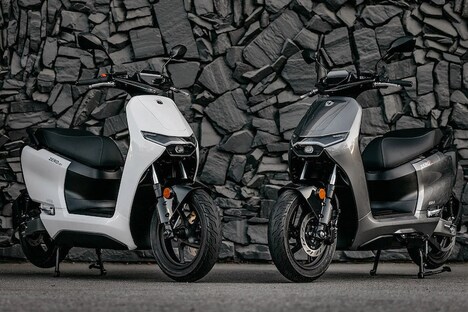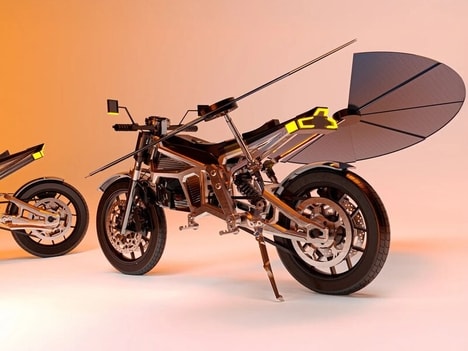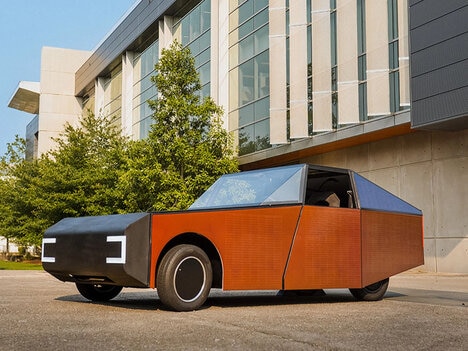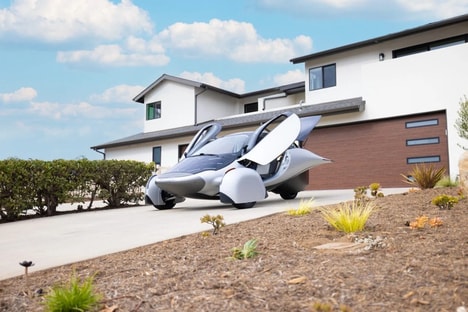
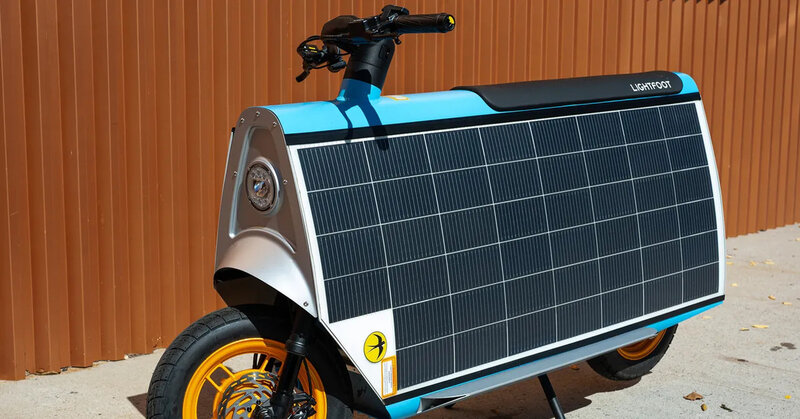
Otherlab’s Lightfoot gives city riders a scooter that can pull power from the sun while carrying a passenger. The boxy electric scooter has two side-mounted solar panels and a bench seat, turning short hops into something closer to a rolling mini-pod than a standard two-wheeler.
It tops out at 20 miles per hour and is claimed to travel 37 miles on a charge, which makes it more than a novelty ride. The internal storage compartment adds a practical place for a backpack or groceries, so errands do not have to ride on your shoulders or handlebars.
For shoppers, this means a commuter scooter that leans into self-charging convenience without piling on app clutter or extra screens. It also nudges the category toward simpler machines that feel ready for bike-lane life, not just another gadget to manage.
Image Credit: Julian Chokkattu
What's Driving This Trend
- Solar-assisted Micromobility
- Integrated solar panels create opportunities for electric scooters and compact vehicles to extend range while reducing dependence on plug-in charging infrastructure.
- Passenger-friendly Scooters
- Two-person seating shifts micromobility beyond solo commuting, opening space for shared short-distance travel formats in dense urban environments.
- Utility-first Urban Rides
- Built-in storage and simplified controls signal demand for practical city vehicles that support errands, commuting, and everyday mobility without added digital complexity.
Who This Affects Most
- Electric Mobility
- Solar-enabled light vehicles introduce new product categories between e-bikes and scooters, expanding how manufacturers compete on convenience, range, and usability.
- Urban Transportation
- Compact passenger-capable scooters fit emerging bike-lane infrastructure, creating potential for cities to diversify low-speed transit options.
- Clean Energy
- Vehicle-integrated solar charging links renewable power directly to daily transportation, encouraging new business models around self-sustaining mobility products.